Skip to content

Knowledge Of Sea

We will keep you updated

  • Home
  • Video
  • Chartering Terms
  • Rule of the Road (COLREG)
    • Nautical Flags
    • Rule of the Roads – CARDS
  • Tanker Definitions
  • Downloads
  • ORAL NOTES
    • ORAL NOTES- 2ND OFFICER
    • ORAL NOTES- CHIEF MATE
    • ASM ORAL NOTES 1
    • ASM ORAL NOTES 2
    • ASM ORAL NOTES 3
  • About Me
  • Toggle search form

Month: November 2019

Tropical Revolving Storm
Posted on November 22, 2019December 22, 2019 By admin No Comments on Tropical Revolving Storm
Tropical Revolving Storm

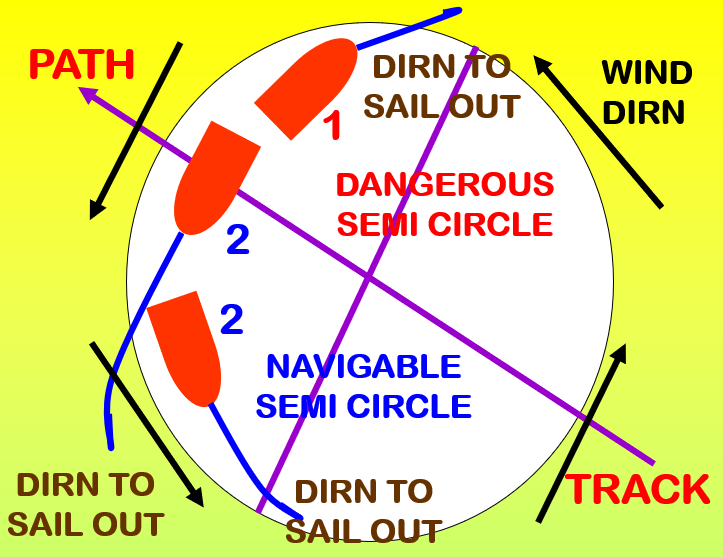
Definitions A Tropical Cyclone is also called as a Tropical Revolving Storm (TRS). It is defined as a roughly circular atmospheric vortex, originating in the tropics or sub tropics, wherein the winds which blow in converging spiral tracks reach or exceed gale force i.e. Beaufort Force 8 (34 – 40 Knots / 62 – 74…
Read More “Tropical Revolving Storm” »

Navigation

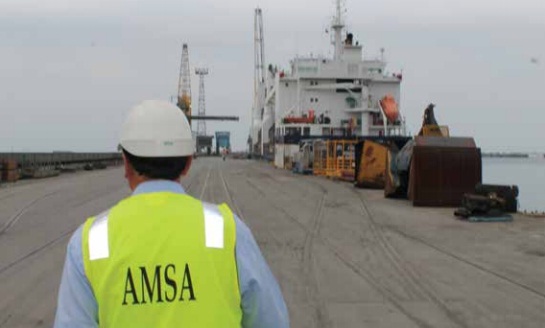
Port State Inspection

Posted on November 22, 2019February 19, 2020 By admin No Comments on Port State Inspection
Port State Inspection

Purpose Port State Control (PSC) is the inspection of foreign ships in national ports to verify that the condition of the ship and its equipment comply with the requirements of international rules and that the ship is manned and operated in compliance with these rules . These inspections were originally intended to be a back up…

Read More “Port State Inspection” »

Rules and Regulation

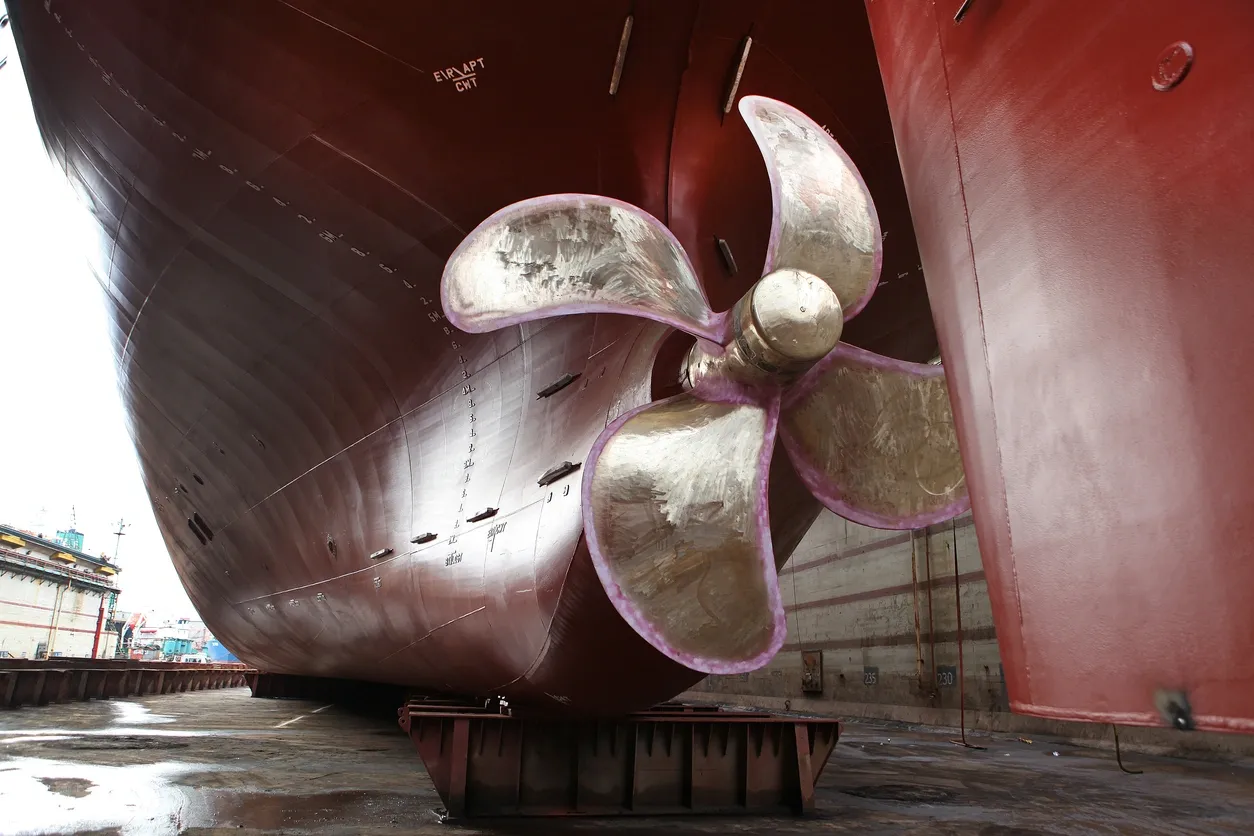
Dry Docking

Posted on November 22, 2019February 19, 2020 By admin No Comments on Dry Docking
Dry Docking

Preparations Before entry: • Check the stability of the vessel, especially during critical period. • Check the vessel at required draft. • No list. • Prepare mooring lines. • Unused mooring lines stowed. • Standby for dock master and dock mooring gang. • Proper flags displayed as required. • Free surface effects minimum. • Movable…

Read More “Dry Docking” »

Shipboard operation

CODE ON INTACT STABILITY FOR ALL TYPES OF SHIPS

Posted on November 22, 2019February 19, 2020 By admin No Comments on CODE ON INTACT STABILITY FOR ALL TYPES OF SHIPS
CODE ON INTACT STABILITY FOR ALL TYPES OF SHIPS

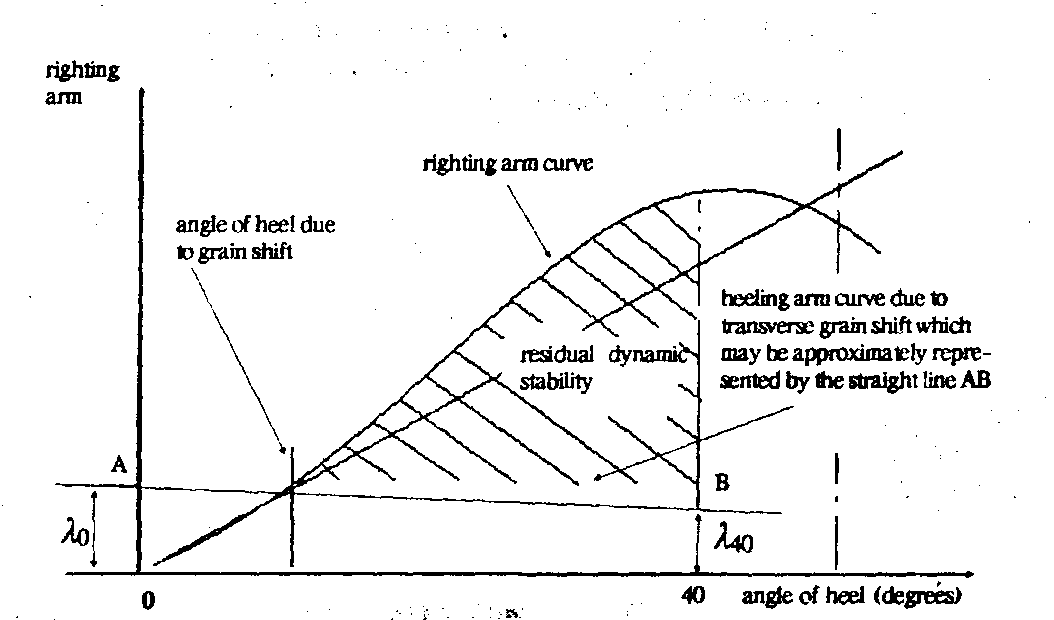
APPLICATION a) The Code applies to cargo ships, timber carriers, grain carriers, container ships, cargo ships carrying containers on deck, passenger ships, fishing vessels, special purpose ships, offshore supply vessels, mobile offshore drilling units, pontoons and dynamically supported craft. b) Special purpose ship means a mechanically self-propelled ship carrying > 12 special personnel, engaged in…

Read More “CODE ON INTACT STABILITY FOR ALL TYPES OF SHIPS” »

Stability

Multiple Load lines

Posted on November 22, 2019February 19, 2020 By admin No Comments on Multiple Load lines
Multiple Load lines

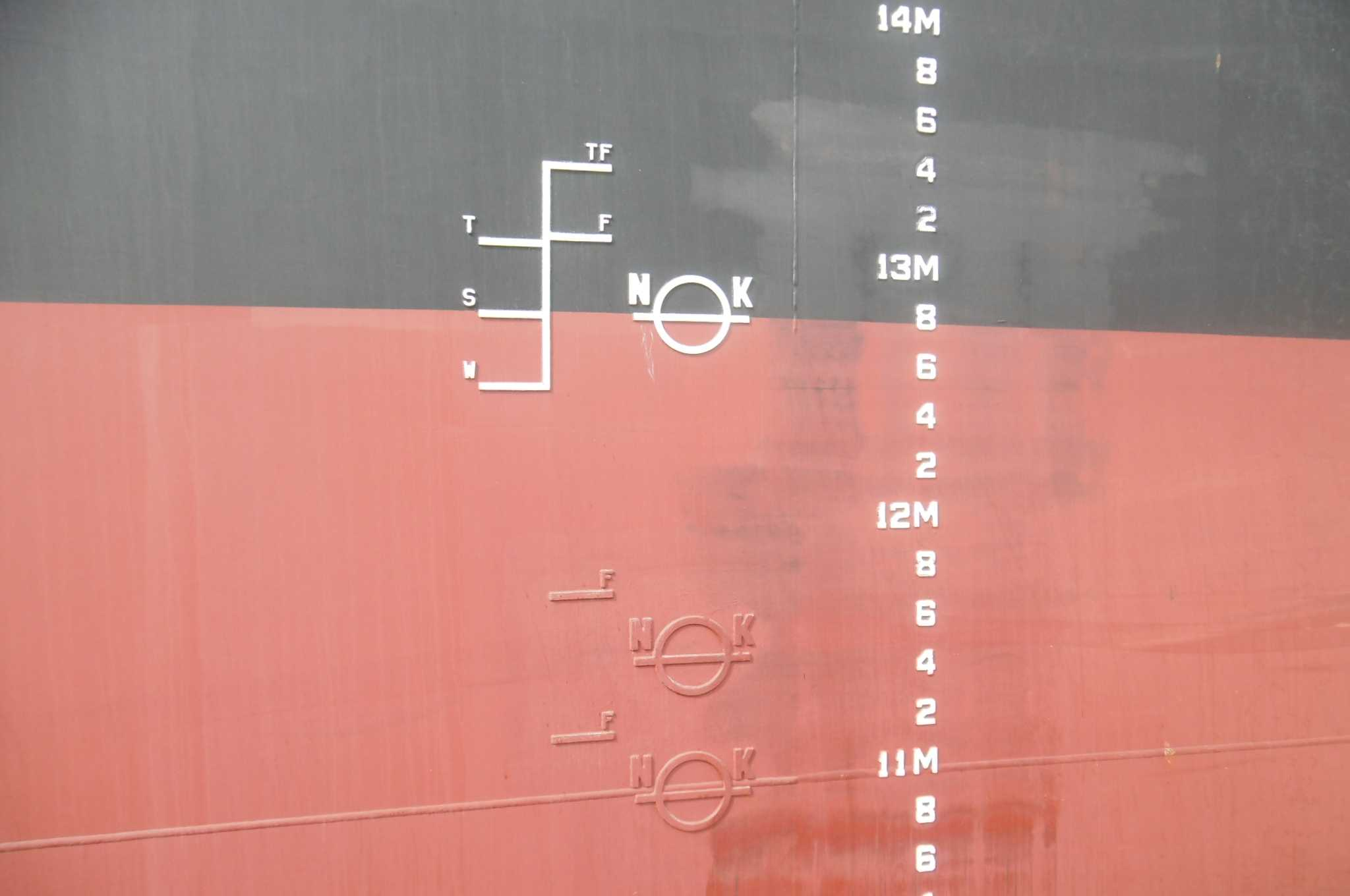
Multiple Load-lines : Purpose : They are used when, for a period of time the vessel has to operate temporarily with a greater freeboard in accordance with the International Load-Line regulations. – A number of ports have special requirements for maximum draft and deadweight for ship’s calling at them. 1. At the owner’s request, the recognized…

Read More “Multiple Load lines” »

Rules and Regulation

Salvage

Posted on November 22, 2019February 19, 2020 By admin No Comments on Salvage
Salvage

Salvage and the essential elements in a salvage service “Salvage” is a service rendered by a person who saves or helps to save any maritime property in danger. Salvage must be considered from three legal aspects • The common law aspect; • The statutory aspect; and • The contractual aspect. There is also a practical…

Read More “Salvage” »

Maritime Law

Safety Depth & Safety Contour In ECDIS

Posted on November 22, 2019March 7, 2020 By admin No Comments on Safety Depth & Safety Contour In ECDIS
Safety Depth & Safety Contour In ECDIS

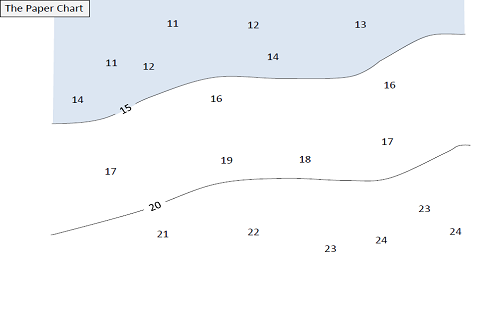
Use of the Safety Depth and the Safety Contour in ECDIS Safety Depth: Value set by the mariner that is used by ECDIS to portray soundings as black if they are equal to or shoaler than the value and gray if they are deeper. Safety Contour Depth: Value set by the mariner that is used by ECDIS…

Read More “Safety Depth & Safety Contour In ECDIS” »

Navigation

Requirement and significance of Bill of Lading Clauses

Posted on November 22, 2019February 19, 2020 By admin No Comments on Requirement and significance of Bill of Lading Clauses
Requirement and significance of Bill of Lading Clauses

Everyone involved in the shipping and freight industry would have come across various clauses and stamps on a Bill of Lading.. There are specific reasons why Bill of Ladings have clauses typed or stamped on them .. Here we will discuss these clauses in relation to “containerized” shipments only.. Standard/Normal Clauses that appear on a…

Read More “Requirement and significance of Bill of Lading Clauses” »

Merchant Shipping

Port of Refuge

Posted on November 22, 2019February 19, 2020 By admin No Comments on Port of Refuge
Port of Refuge

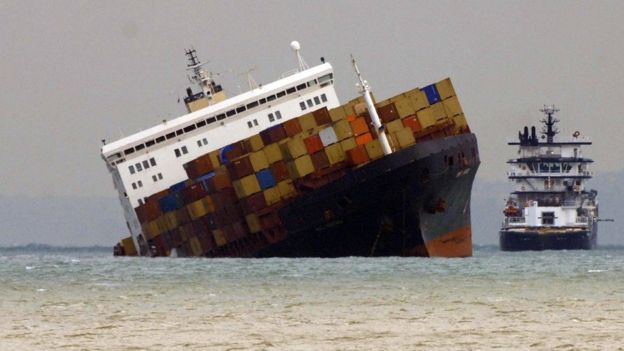
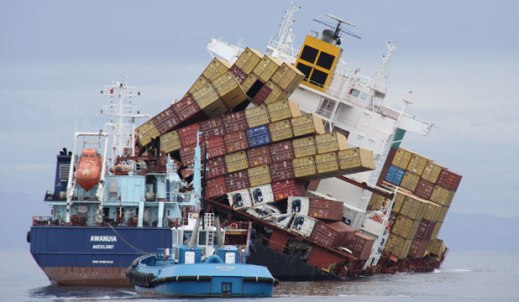
Port of Refuge – A port of Refuge is a port or place that the vessel diverts to when her master considers it is unsafe to continue the voyage due to peril that threatens the “common safety”, e.g. when there is a dangerous ingress of water into a vessel, a dangerous shift of cargo. the…

Read More “Port of Refuge” »

Maritime Law

World Scale & AFRA Scale

Posted on November 22, 2019February 19, 2020 By admin No Comments on World Scale & AFRA Scale
World Scale & AFRA Scale

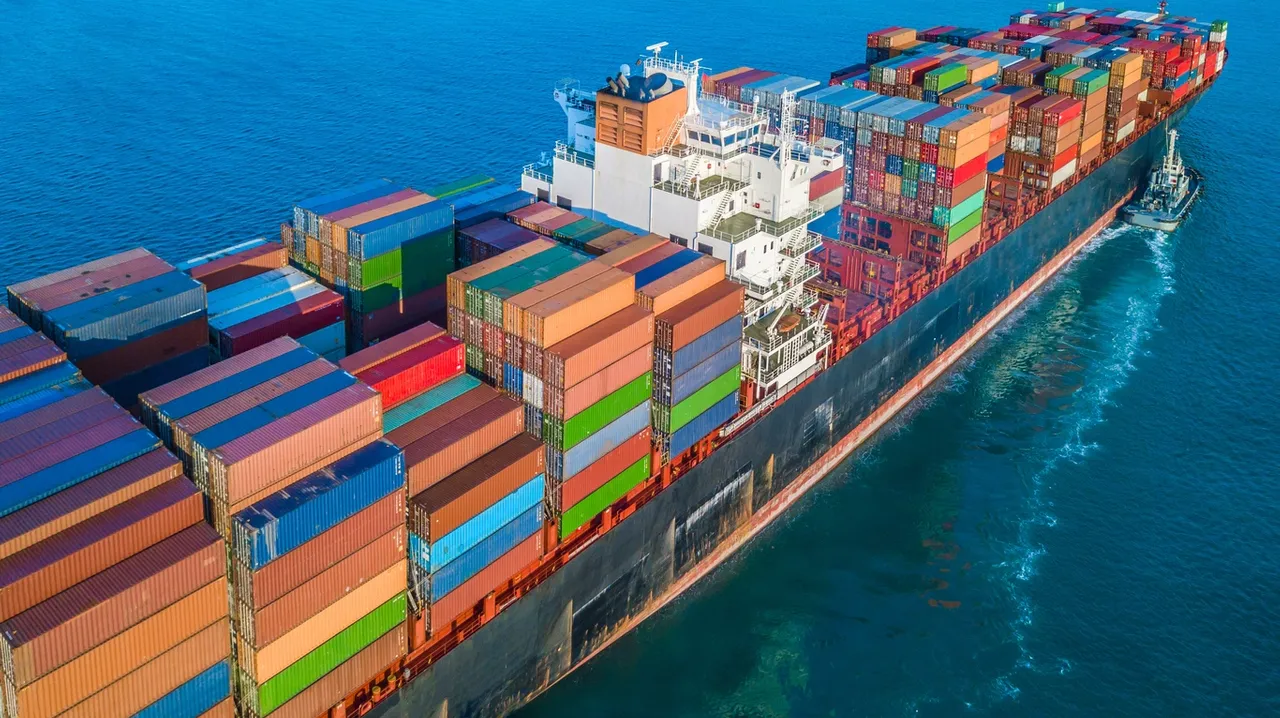
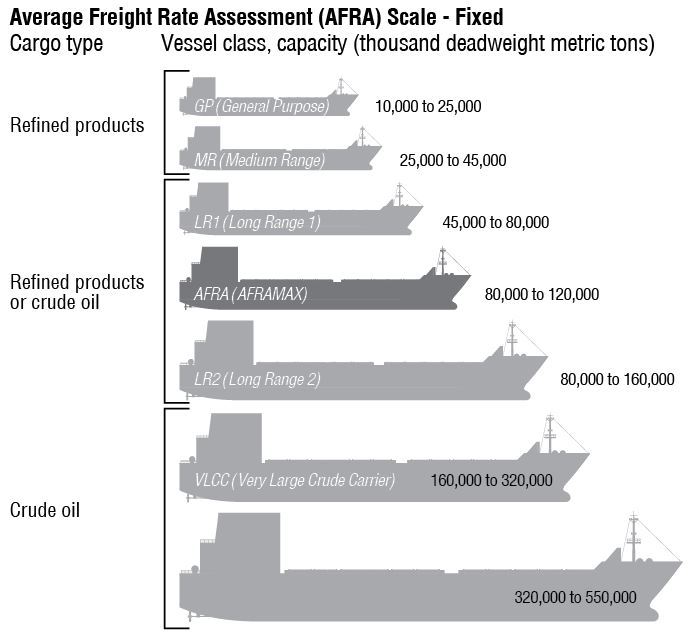
World Scale 1. World Scale is the “World Tanker Nominal Freight Scale” and is a schedule of freight rates applying to tankers carrying Oil in bulk. 2. Nominal means that the freight rates which world scale provides are intended solely as a standard of reference. 3. World Scale is available on a yearly subscription basis….

Read More “World Scale & AFRA Scale” »

Navigation

Posts pagination

Previous 1 … 4 5 6 … 8 Next

Categories

  • Bulk Carrier
  • Cargo handling
  • Engine Room Operations
  • LSA & FFA
  • Maritime Industry
  • Maritime Law
  • Merchant Shipping
  • Navigation
  • Rules and Regulation
  • Ship Construction
  • Shipboard operation
  • Stability
  • Tanker
  • Uncategorized

Blog is primarily for candidates appearing for certificate of competency exams but such is the detail that while being equally suitable for the beginner, it is also reference work for experienced seaman, and the layout and style of blog make it suitable for shipboard training where practical experience can be allied to the theoretical approach.

Recent Comments

  • capt on Radar Best Practice -ARPA
  • admin on Dry Docking (Theory & Numericals)
  • Stelios Karamplakas on Dry Docking (Theory & Numericals)
  • Farid OMARI on Demurrage
  • admin on Tanker Cargo Calculations

Copyright © 2018 knowledge of sea – All Rights Reserved.

If you’re unsure about what type of training will work best for you, just tell us a little more about your needs. We will get back to you as soon as possible with the answers you need!

All answers will be from sailor mouth, who is practically working on board.

November 2019
S M T W T F S
 12
3456789
10111213141516
17181920212223
24252627282930
    Dec »

Copyright © 2026 Knowledge Of Sea.

Powered by PressBook WordPress theme