Skip to content

Knowledge Of Sea

We will keep you updated

  • Home
  • Video
  • Chartering Terms
  • Rule of the Road (COLREG)
    • Nautical Flags
    • Rule of the Roads – CARDS
  • Tanker Definitions
  • Downloads
  • ORAL NOTES
    • ORAL NOTES- 2ND OFFICER
    • ORAL NOTES- CHIEF MATE
    • ASM ORAL NOTES 1
    • ASM ORAL NOTES 2
    • ASM ORAL NOTES 3
  • About Me
  • Toggle search form

Category: Navigation

INSTRUCTIONS FOR MARINERS AND OTHERS ON HOW TO CANCEL A FALSE DISTRESS ALERT

Posted on November 21, 2019February 19, 2020 By admin No Comments on INSTRUCTIONS FOR MARINERS AND OTHERS ON HOW TO CANCEL A FALSE DISTRESS ALERT
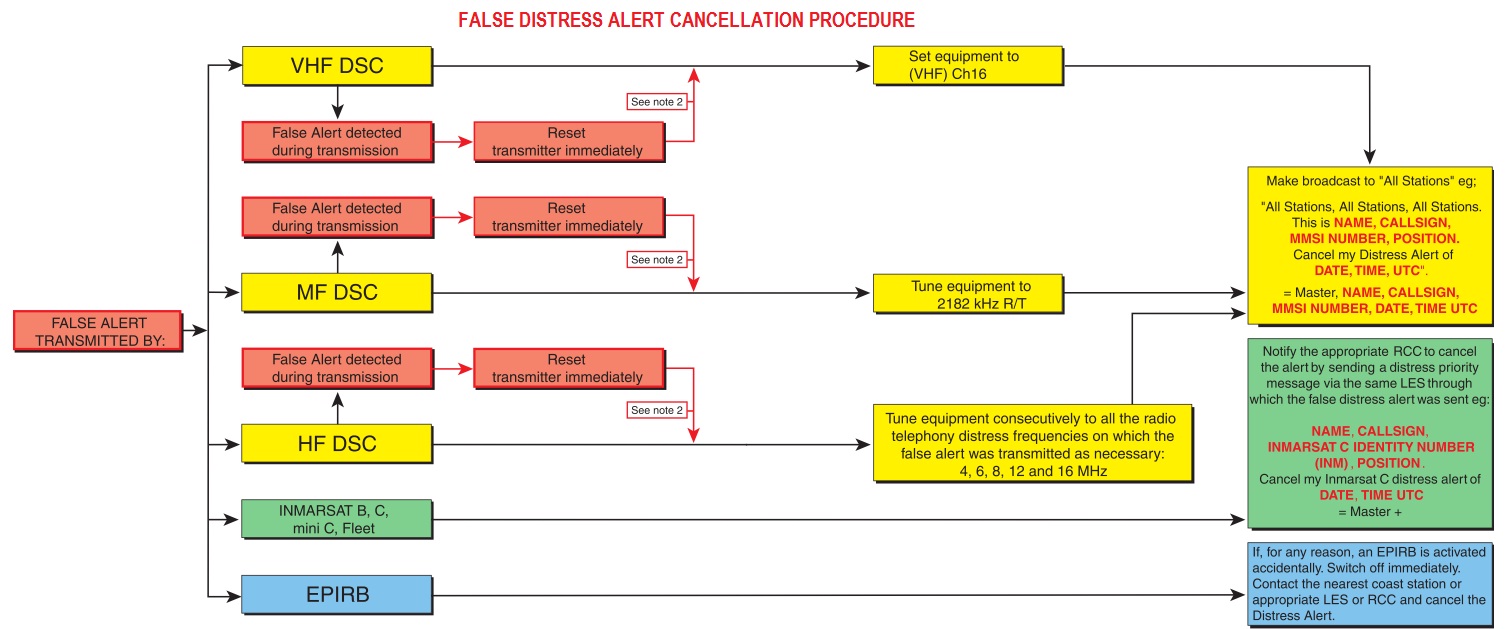
INSTRUCTIONS FOR MARINERS AND OTHERS ON HOW TO CANCEL A FALSE DISTRESS ALERT

DSC VHF Switch off transmitter immediately. Switch equipment on and set to Channel 16; and Make broadcast to “All Stations” giving the ship’s name, call sign and DSC number, and cancel the false distress alert. Example All Stations, All Stations, All Stations This is NAME, CALL SIGN, DSC NUMBER, POSITION. Cancel my distress alert of…

Read More “INSTRUCTIONS FOR MARINERS AND OTHERS ON HOW TO CANCEL A FALSE DISTRESS ALERT” »

Navigation

Girting of Tug

Posted on November 21, 2019February 19, 2020 By admin No Comments on Girting of Tug
Girting of Tug

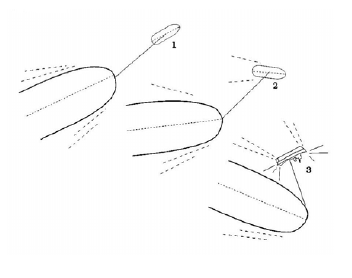
Girthing It is the capsizing moment of the tug due to the sudden movement of ships. The line is usually secured very near to the center of flotation and for this reason the tug is liable to be girded. This phenomenon is known variously as girthing, girding or girting, in differing parts of the world….

Read More “Girting of Tug” »

Navigation

Manoeuvring Booklet

Posted on November 21, 2019March 3, 2020 By admin No Comments on Manoeuvring Booklet
Manoeuvring Booklet

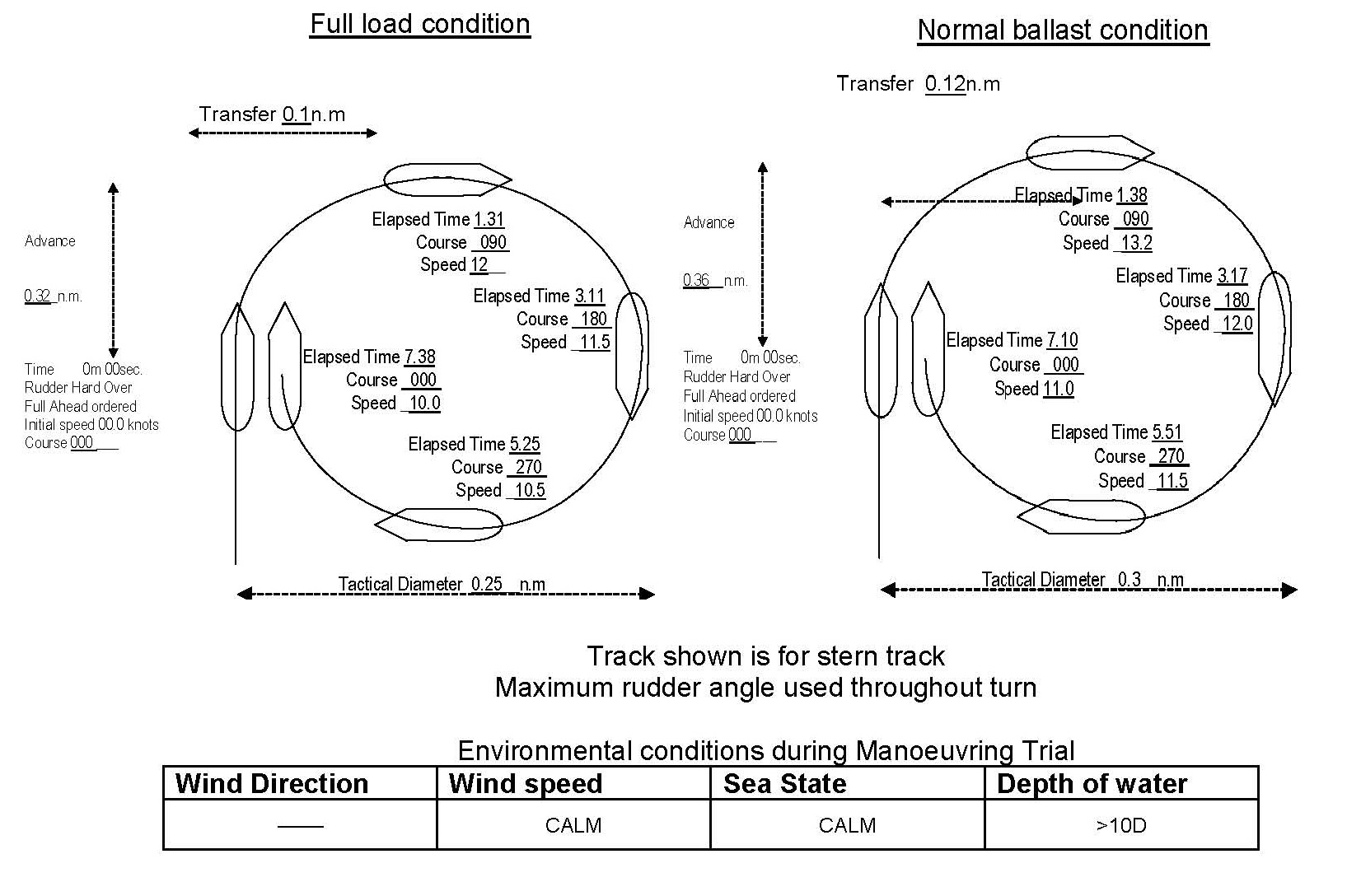
Contents 1 General description Ship’s particulars Characteristics of Main Engine(s) 2 Manoeuvring characteristics in deep water Course change performance Turning circles in deep water Accelerating turn Yaw checking tests Man-overboard and parallel course manoeuvring Lateral thruster capabilities 3 Stopping and speed control characteristics in deep water Stopping ability Deceleration performance Acceleration performance 4 Manoeuvring characteristics in…

Read More “Manoeuvring Booklet” »

Navigation

Master Night Orders

Posted on November 21, 2019February 19, 2020 By admin No Comments on Master Night Orders
Master Night Orders

Night Orders 1. Required to be written by master before he is going to take a rest at night. 2. A set of instructions to OOW in written format. 3. Depends on the events expected at the night. 4. Generally includes following points: • To comply with standing orders. • Follow the laid courses. •…

Read More “Master Night Orders” »

Navigation

Steering Gear Testing

Posted on November 21, 2019February 19, 2020 By admin No Comments on Steering Gear Testing
Steering Gear Testing

How is a steering gear tested After prolonged use of autopilot and before entering coastal waters the steering gear must be tested at all the manual steering positions on the bridge. In coastal waters more than one steering gear power unit, when such units are capable of simultaneous operation should be used. Within 12 hours…

Read More “Steering Gear Testing” »

Navigation

Abort Point & Point Of No Return

Posted on November 21, 2019March 3, 2020 By admin 1 Comment on Abort Point & Point Of No Return
Abort Point & Point Of No Return

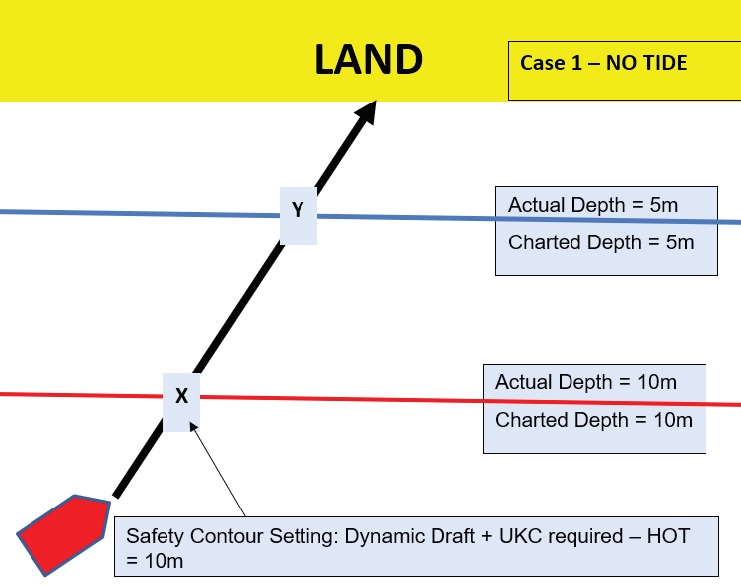
Abort point is the final point at which a ship can take action to avoid passing the point of no return. It is the point after which there is insufficient sea room to safely turn the vessel and return back. Point of no return is the position after which the ship is committed to proceed on voyage.it…

Read More “Abort Point & Point Of No Return” »

Navigation

Actions in the event of ECDIS Failure.

Posted on November 20, 2019February 19, 2020 By admin No Comments on Actions in the event of ECDIS Failure.
Actions in the event of ECDIS Failure.

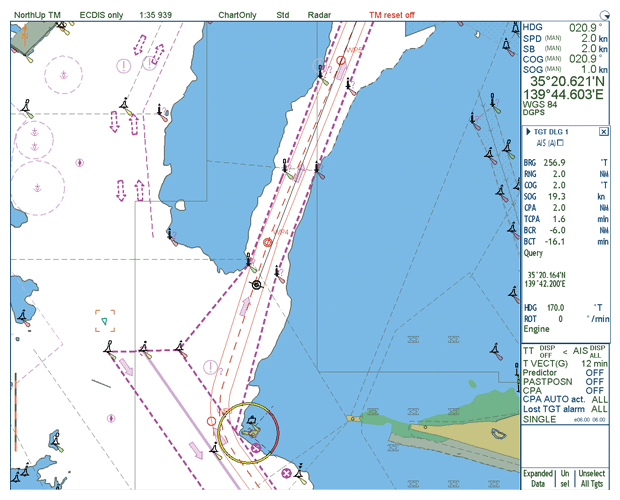
Ecdis Failure It is mandatory for the ship’s officer to manually plot position of the vessel frequently to avoid over-reliance on the equipment and to have better situational awareness, should the system fail anytime during the passage. Under-mentioned are possible failures of ECDIS: 1. Power failure 2. Sensor input failure 3. Hardware failure 4. Software…

Read More “Actions in the event of ECDIS Failure.” »

Navigation

Posts pagination

Previous 1 … 12 13

Categories

  • Bulk Carrier
  • Cargo handling
  • Engine Room Operations
  • LSA & FFA
  • Maritime Industry
  • Maritime Law
  • Merchant Shipping
  • Navigation
  • Rules and Regulation
  • Ship Construction
  • Shipboard operation
  • Stability
  • Tanker
  • Uncategorized

Blog is primarily for candidates appearing for certificate of competency exams but such is the detail that while being equally suitable for the beginner, it is also reference work for experienced seaman, and the layout and style of blog make it suitable for shipboard training where practical experience can be allied to the theoretical approach.

Recent Comments

  • capt on Radar Best Practice -ARPA
  • admin on Dry Docking (Theory & Numericals)
  • Stelios Karamplakas on Dry Docking (Theory & Numericals)
  • Farid OMARI on Demurrage
  • admin on Tanker Cargo Calculations

Copyright © 2018 knowledge of sea – All Rights Reserved.

If you’re unsure about what type of training will work best for you, just tell us a little more about your needs. We will get back to you as soon as possible with the answers you need!

All answers will be from sailor mouth, who is practically working on board.

February 2026
S M T W T F S
1234567
891011121314
15161718192021
22232425262728
« Jan    

Copyright © 2026 Knowledge Of Sea.

Powered by PressBook WordPress theme