Skip to content

Knowledge Of Sea

We will keep you updated

  • Home
  • Video
  • Chartering Terms
  • Rule of the Road (COLREG)
    • Nautical Flags
    • Rule of the Roads – CARDS
  • Tanker Definitions
  • Downloads
  • ORAL NOTES
    • ORAL NOTES- 2ND OFFICER
    • ORAL NOTES- CHIEF MATE
    • ASM ORAL NOTES 1
    • ASM ORAL NOTES 2
    • ASM ORAL NOTES 3
  • About Me
  • Toggle search form

CHEMICAL CARGO CARRIAGE AND RELATED REGULATIONS
Posted on March 26, 2023May 28, 2023 By admin No Comments on CHEMICAL CARGO CARRIAGE AND RELATED REGULATIONS
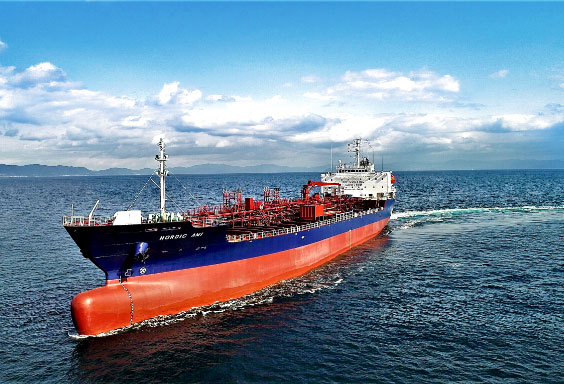
CHEMICAL CARGO CARRIAGE AND RELATED REGULATIONS

Many of the changes in everyday life that have taken place during the last fifty years have resulted from developments in the chemical industry. A wide range of ordinary items are in fact derived from complex chemical processes, and are often derived from the by-products of the production of energy. The greatest advances made in…

Read More “CHEMICAL CARGO CARRIAGE AND RELATED REGULATIONS” »
Tanker

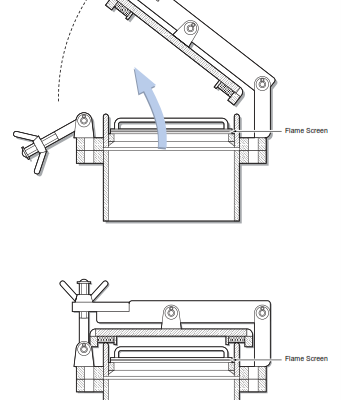
QUICK-CLOSING VALVES EMERGENCY STOPS AND FIRE DAMPERS

Posted on March 16, 2023June 4, 2023 By admin No Comments on QUICK-CLOSING VALVES EMERGENCY STOPS AND FIRE DAMPERS
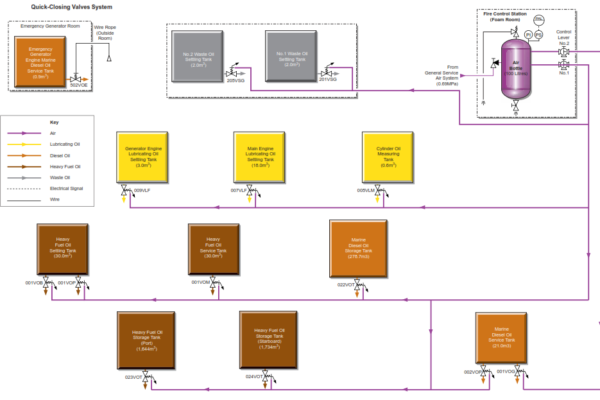
QUICK-CLOSING VALVES EMERGENCY STOPS AND FIRE DAMPERS

Introduction To ensure a fast and effective ability to respond to a fire situation the ship is provided with means to shut off tanks containing flammable liquids that would normally be open; to shut down the pumps and other equipment that could cause or maintain a fire and to shut off air supply to the…

Read More “QUICK-CLOSING VALVES EMERGENCY STOPS AND FIRE DAMPERS” »

Shipboard operation

Gas Freeing

Posted on March 15, 2023March 15, 2023 By admin No Comments on Gas Freeing
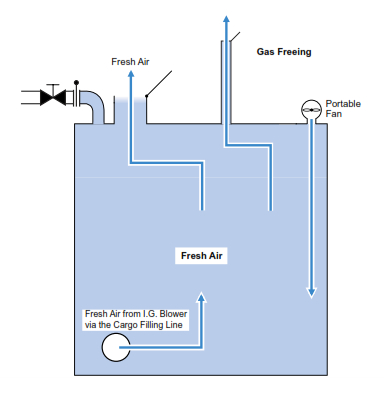
Gas Freeing

Cargo oil tanks must be water washed, purged and gas freed prior to inspection. Cargo oil tanks must NEVER be entered when inerted. Prior to gas freeing any COT or gaseous space, the hydrocarbon content must be below 2% Hc, thus ensuring that the space will not pass through the flammable envelope as the oxygen…

Read More “Gas Freeing” »

Tanker

Container Vessel – Stowage plan & Slot Identification

Posted on March 12, 2023March 12, 2023 By admin No Comments on Container Vessel – Stowage plan & Slot Identification
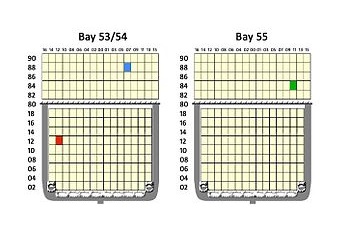
Container Vessel – Stowage plan & Slot Identification

On a general cargo vessel the identification of the location of a parcel of cargo was a simple process. Since the vessel was divided into holds, the first parameter was the hold. Each hold was divided into lower hold and tween decks hence the next parameter was either lower hold or tween dk. Each of…

Read More “Container Vessel – Stowage plan & Slot Identification” »

Cargo handling

SHIPBOARD OIL POLLUTION EMERGENCY PLANS

Posted on March 10, 2023March 10, 2023 By admin No Comments on SHIPBOARD OIL POLLUTION EMERGENCY PLANS
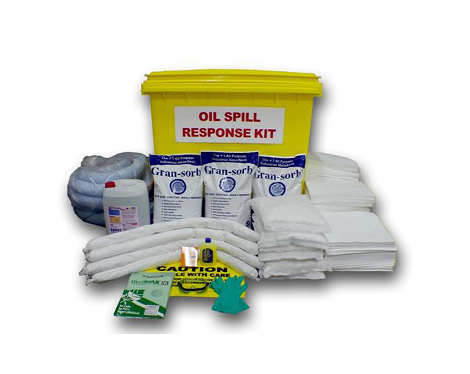
SHIPBOARD OIL POLLUTION EMERGENCY PLANS

Introduction These Guidelines have been developed to assist with the maintenance of the shipboard oil pollution plan. Such plan shall be effective if it is carefully tailored to the particular ship for which it is intended. Certain aspects of the plan would be common for all company’s ships but when dealing with equipment and particulars…

Read More “SHIPBOARD OIL POLLUTION EMERGENCY PLANS” »

Shipboard operation

Inert Gas System

Posted on March 3, 2023March 3, 2023 By admin No Comments on Inert Gas System
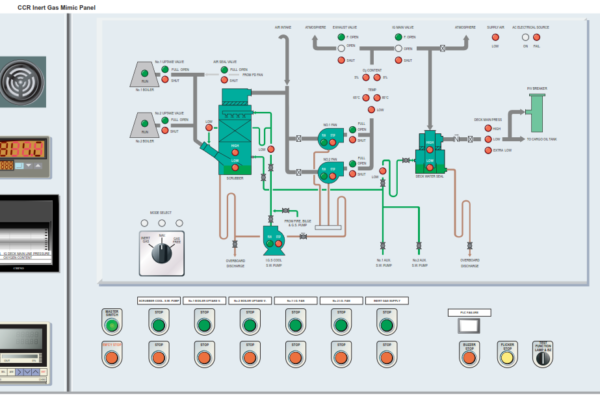
Inert Gas System

The inert gas system (IGS) consists of a main inert gas plant, using boiler flue gas to provide a gas explosion protection system, i.e. a low O2 content in the cargo oil tanks and slop tanks. This is achieved by maintaining a slight overpressure in the tanks at all times. Whilst discharging the cargo, liquid…

Read More “Inert Gas System” »

Shipboard operation

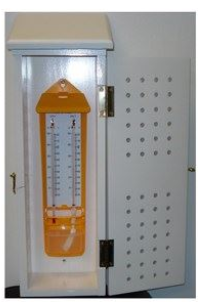
Working of Hygrometer & Stevenson’s Screen

Posted on February 25, 2023February 25, 2023 By admin No Comments on Working of Hygrometer & Stevenson’s Screen
Working of Hygrometer & Stevenson’s Screen

Description: A hygrometer is a an easy to use tool for measuring the amount of humidity in the atmosphere and dew point temperature of a parcel of air. The most common type of hygrometer found on board ships is a dry and wet bulb type hygrometer. It comprises of a pair of basic thermometers fixed…

Read More “Working of Hygrometer & Stevenson’s Screen” »

Navigation

PRESSURE VACUUM (PV) VALVES

Posted on February 21, 2023February 21, 2023 By admin No Comments on PRESSURE VACUUM (PV) VALVES
PRESSURE VACUUM (PV) VALVES

Combined pressure/vacuum valves are fitted to each cargo tank. These valves are designed to relieve positive or negative pressure in the tanks. Combined PV valves are fitted to each cargo oil and slop tank based on the vapor emission control system in accordance with USCG requirements. The purpose of the PV valve is to provide…

Read More “PRESSURE VACUUM (PV) VALVES” »

Tanker

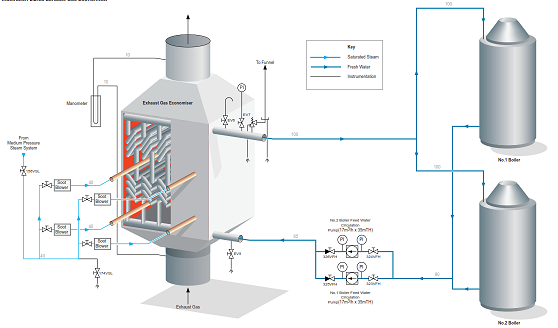
EXHAUST GAS ECONOMISER

Posted on February 20, 2023June 4, 2023 By admin No Comments on EXHAUST GAS ECONOMISER
EXHAUST GAS ECONOMISER

Description The exhaust gas boiler, which is located in the engine room at the upper deck level, is used to generate steam from the waste heat in the main engine exhaust gas. It can be operated separately or in connection with the oil fired auxiliary boilers. The steam generating tubes are of the pin tube…

Read More “EXHAUST GAS ECONOMISER” »

Engine Room Operations

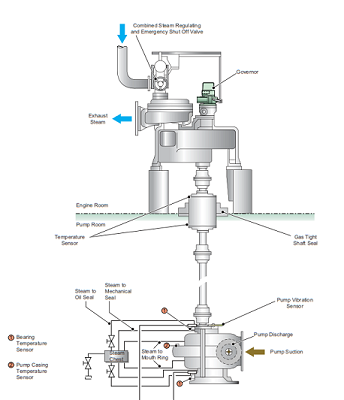
Cargo Pump Procedures (Centrifugal)

Posted on February 19, 2023February 19, 2023 By admin No Comments on Cargo Pump Procedures (Centrifugal)
Cargo Pump Procedures (Centrifugal)

The main cargo pump system consists of three vertical centrifugal single stage double suction type cargo pumps. They are situated at the bottom of the pump room and are driven by a single stage Curtis steam turbine and intermediate shaft passing into the pump room through a gas tight bulkhead gland. The pumps are each…

Read More “Cargo Pump Procedures (Centrifugal)” »

Tanker

Posts pagination

Previous 1 … 23 24 25 … 49 Next

Categories

  • Bulk Carrier
  • Cargo handling
  • Engine Room Operations
  • LSA & FFA
  • Maritime Industry
  • Maritime Law
  • Merchant Shipping
  • Navigation
  • Rules and Regulation
  • Ship Construction
  • Shipboard operation
  • Stability
  • Tanker
  • Uncategorized

Blog is primarily for candidates appearing for certificate of competency exams but such is the detail that while being equally suitable for the beginner, it is also reference work for experienced seaman, and the layout and style of blog make it suitable for shipboard training where practical experience can be allied to the theoretical approach.

Recent Comments

  • capt on Radar Best Practice -ARPA
  • admin on Dry Docking (Theory & Numericals)
  • Stelios Karamplakas on Dry Docking (Theory & Numericals)
  • Farid OMARI on Demurrage
  • admin on Tanker Cargo Calculations

Copyright © 2018 knowledge of sea – All Rights Reserved.

If you’re unsure about what type of training will work best for you, just tell us a little more about your needs. We will get back to you as soon as possible with the answers you need!

All answers will be from sailor mouth, who is practically working on board.

April 2026
S M T W T F S
 1234
567891011
12131415161718
19202122232425
2627282930  
« Mar    

Copyright © 2026 Knowledge Of Sea.

Powered by PressBook WordPress theme