Skip to content

Knowledge Of Sea

We will keep you updated

  • Home
  • Video
  • Chartering Terms
  • Rule of the Road (COLREG)
    • Nautical Flags
    • Rule of the Roads – CARDS
  • Tanker Definitions
  • Downloads
  • ORAL NOTES
    • ORAL NOTES- 2ND OFFICER
    • ORAL NOTES- CHIEF MATE
    • ASM ORAL NOTES 1
  • About Me
  • Exit Exam
    • FPFF exit exam questions and answers
    • EFA exit exam questions and answers
    • BST exit exam questions and answers
    • AFF DG Shipping exit exam question and answers
  • Toggle search form

Category: Navigation

Correction To Sextant Altitudes

Posted on January 9, 2020March 7, 2020 By admin No Comments on Correction To Sextant Altitudes
Correction To Sextant Altitudes

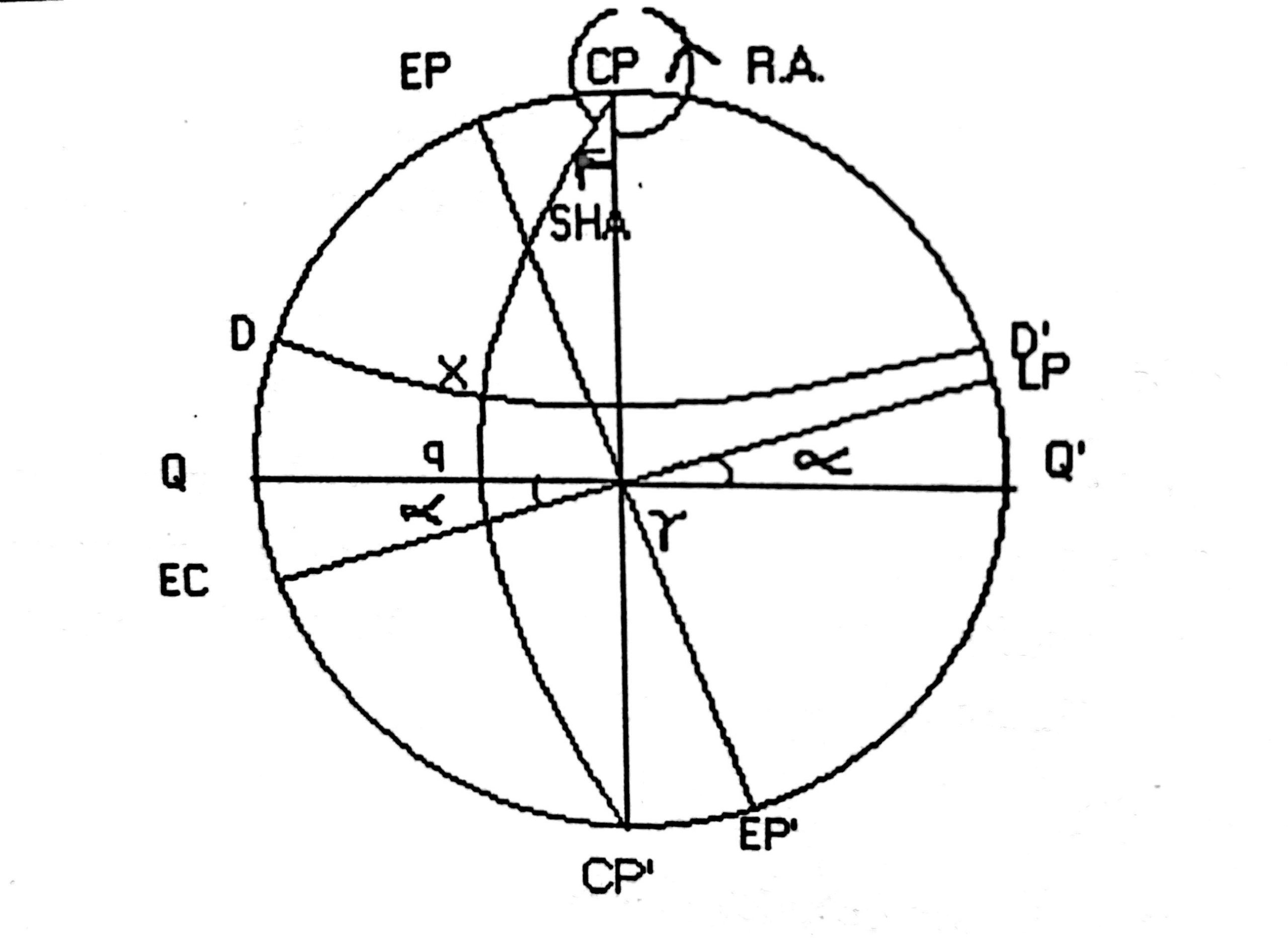
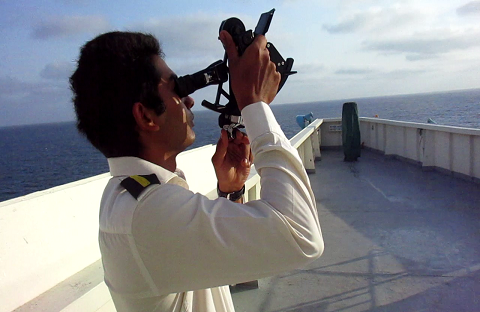
Why Correct Altitude As you have already learnt that the altitudes of the sextant are observed above the visible horizon. Eventually that altitude needs to be converted as an altitude above the rational horizon, which is a line parallel to the sensible horizon, passing through the centre of the earth. When the altitude is so…

Read More “Correction To Sextant Altitudes” »

Navigation

Manoeuvring in Shallow Waters

Posted on January 7, 2020January 7, 2020 By admin No Comments on Manoeuvring in Shallow Waters
Manoeuvring in Shallow Waters

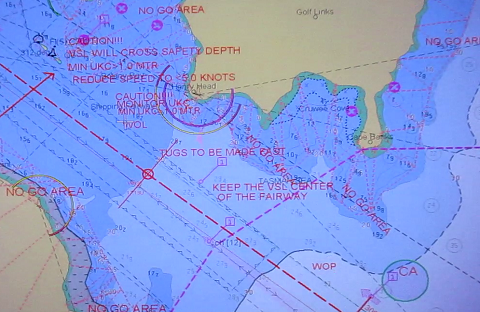
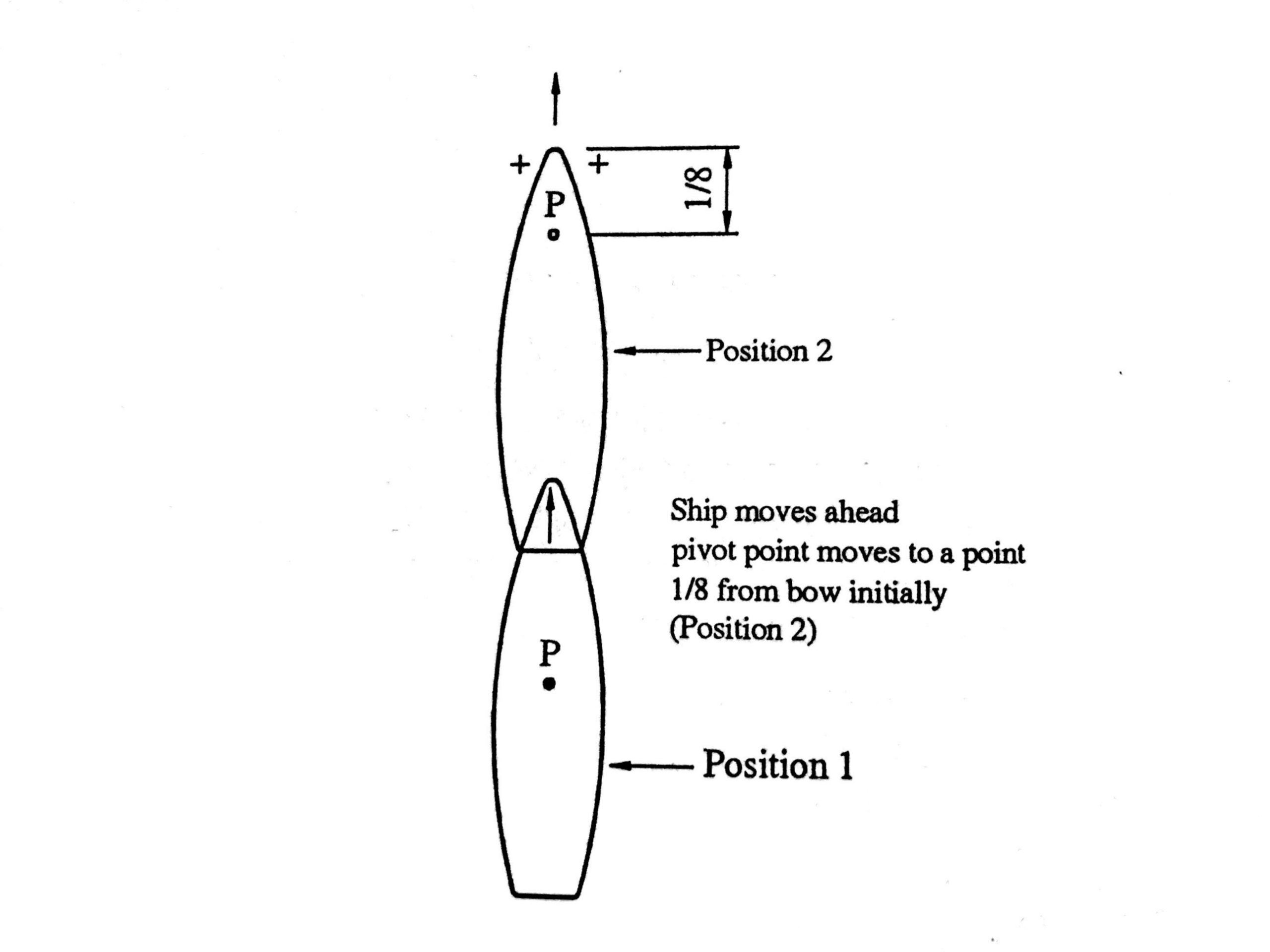
How shallow water affects Manoeuvring? In shallow waters, manoeuvring has very many facets and it is necessary that we understand the same clearly. Such knowledge helps us to understand the effects of interactions including squat and the sluggish way the ship handles in such waters. It also helps us to avoid them and plan for…

Read More “Manoeuvring in Shallow Waters” »

Navigation

Traffic Separation Scheme

Posted on January 6, 2020January 6, 2020 By admin No Comments on Traffic Separation Scheme
Traffic Separation Scheme

What is Traffic Separation Scheme (TSS) Traffic Separation Schemes are designed to ease congestion, assist traffic flow and prevent ships approaching head on to each other in the busier waterways of the world. Their use should make navigation simple, but a great number of close quarters and collision situations continue to arise within Traffic Separation…

Read More “Traffic Separation Scheme” »

Navigation

Stopping Distance, Turning Circle, Ships Manoeuvring

Posted on January 2, 2020January 2, 2020 By admin No Comments on Stopping Distance, Turning Circle, Ships Manoeuvring
Stopping Distance, Turning Circle, Ships Manoeuvring

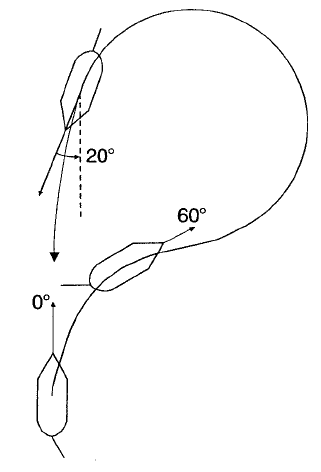
Stopping Distance Stopping distance is the distance, which, a ship will continue to move after action is taken to stop engines and till the ship comes to rest. Stopping distance details may be provided for sea speed, harbour speed, half speed etc. It may be provided for loaded & light conditions.  Nowadays the precise course…

Read More “Stopping Distance, Turning Circle, Ships Manoeuvring” »

Navigation

Rising and Setting – Azimuth by Amplitude Twilight

Posted on January 1, 2020January 1, 2020 By admin No Comments on Rising and Setting – Azimuth by Amplitude Twilight
Rising and Setting – Azimuth by Amplitude Twilight

After reading this blog, you will be able to take amplitude of the heavenly bodies and calculate the compass error. Ensure that you workout such errors as frequently as possible when on onboard.  Since refraction causes celestial bodies to appear elevated in the sky, they are above the horizon longer than they are otherwise. The…

Read More “Rising and Setting – Azimuth by Amplitude Twilight” »

Navigation

GMDSS (Equipments and Procedures)

Posted on December 25, 2019December 25, 2019 By admin No Comments on GMDSS (Equipments and Procedures)
GMDSS                     (Equipments and Procedures)

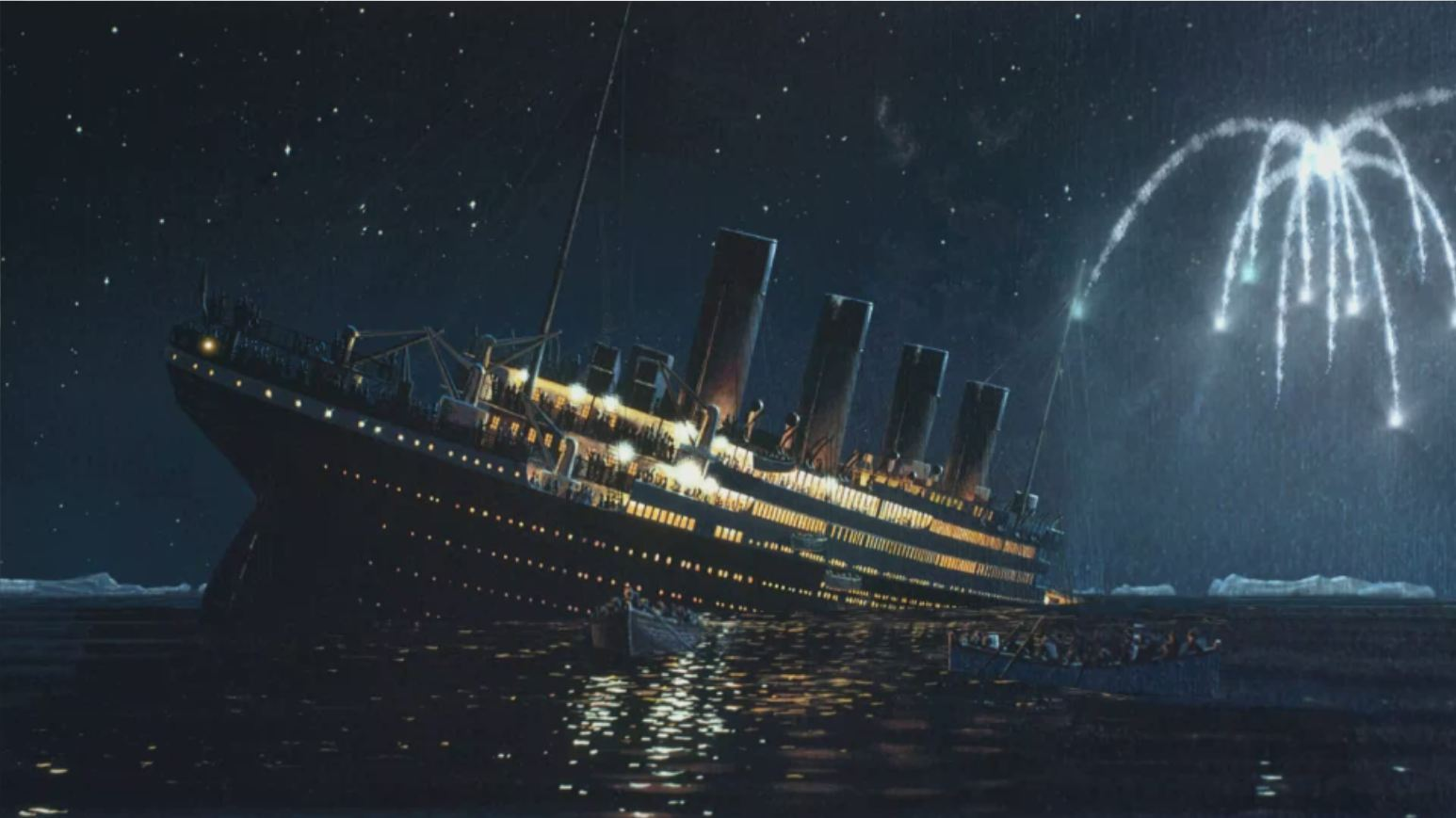
Preamble IMO began work on the Global Maritime Distress and Safety System in the 1970s and its introduction marks the biggest change in maritime communications since the invention of radio.  It has been introduced in stages between 1993 and 1st February 1999. The basic concept of the system is that search and rescue authorities ashore,…

Read More “GMDSS (Equipments and Procedures)” »

Navigation

eGlobe G2 ECDIS Basic Operations

Posted on December 19, 2019December 20, 2019 By admin No Comments on eGlobe G2 ECDIS Basic Operations
eGlobe G2 ECDIS Basic Operations

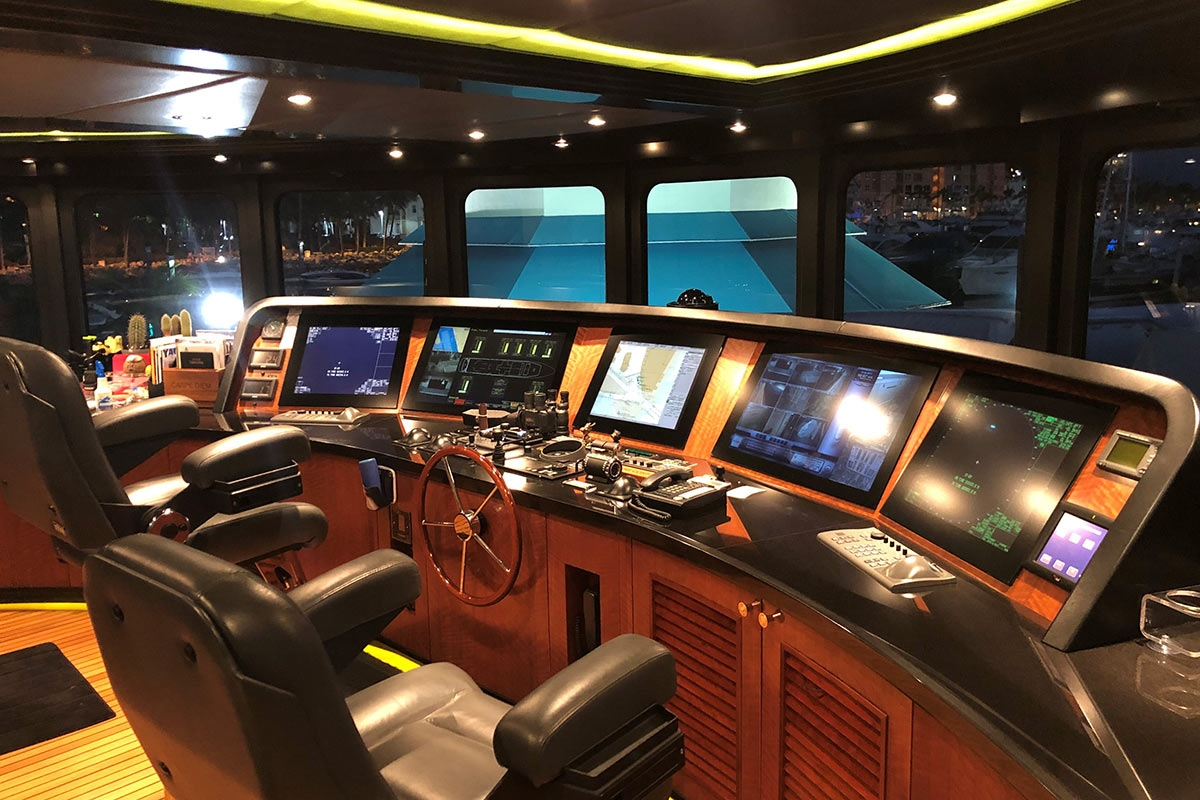
Data Management   The actual instructions and screen-shots in this guide are based on the version of the eGlobe G2 Series ECDIS installed in the UKHO as detailed on the front cover. There may be minor differences between certain models (i.e. screen layouts may vary). eGlobe G2 works with different combinations of hardware. This can…

Read More “eGlobe G2 ECDIS Basic Operations” »

Navigation

Cloud Classification and Formation

Posted on December 17, 2019December 18, 2019 By admin No Comments on Cloud Classification and Formation
Cloud Classification and Formation

Objective To understand classification of clouds, the various types of clouds and the weather associated with each. Classification Clouds are classified according to the height of the base above sea level and their appearance. Low clouds, medium clouds and high clouds. Clouds can form at any height from sea level up to the tropopause, which…

Read More “Cloud Classification and Formation” »

Navigation

Radar For Collision Avoidance

Posted on December 16, 2019December 16, 2019 By admin 1 Comment on Radar For Collision Avoidance
Radar For Collision Avoidance

Aim  The blog shall show the process of interpreting the radar information correctly for Navigation and Collision avoidance purpose.   Introduction to the different display modes  There are two modes of displays  a The relative motion display and  b The true motion display  In the relative motion display the origin of the display and own…

Read More “Radar For Collision Avoidance” »

Navigation

Radar Plotting

Posted on December 14, 2019December 14, 2019 By admin No Comments on Radar Plotting
Radar Plotting

Plotting of manoeuvres These examples assume no delay between the time of the last plot and the completion of any planned manoeuvre. In practice there will be a time delay in taking bearing, plotting etc, which should be accounted for by projecting the last plotted position (A) by the time interval required. Objective To find…

Read More “Radar Plotting” »

Navigation

Posts pagination

Previous 1 … 6 7 8 … 13 Next

Categories

  • Bulk Carrier
  • Cargo handling
  • Engine Room Operations
  • LSA & FFA
  • Maritime Industry
  • Maritime Law
  • Merchant Shipping
  • Navigation
  • Rules and Regulation
  • Ship Construction
  • Shipboard operation
  • Stability
  • Tanker
  • Uncategorized

Blog is primarily for candidates appearing for certificate of competency exams but such is the detail that while being equally suitable for the beginner, it is also reference work for experienced seaman, and the layout and style of blog make it suitable for shipboard training where practical experience can be allied to the theoretical approach.

Recent Comments

  • capt on Radar Best Practice -ARPA
  • admin on Dry Docking (Theory & Numericals)
  • Stelios Karamplakas on Dry Docking (Theory & Numericals)
  • Farid OMARI on Demurrage
  • admin on Tanker Cargo Calculations

Copyright © 2018 knowledge of sea – All Rights Reserved.

If you’re unsure about what type of training will work best for you, just tell us a little more about your needs. We will get back to you as soon as possible with the answers you need!

All answers will be from sailor mouth, who is practically working on board.

January 2026
S M T W T F S
 123
45678910
11121314151617
18192021222324
25262728293031
« Dec    

Copyright © 2026 Knowledge Of Sea.

Powered by PressBook WordPress theme