Skip to content

Knowledge Of Sea

We will keep you updated

  • Home
  • Video
  • Chartering Terms
  • Rule of the Road (COLREG)
    • Nautical Flags
    • Rule of the Roads – CARDS
  • Tanker Definitions
  • Downloads
  • ORAL NOTES
    • ORAL NOTES- 2ND OFFICER
    • ORAL NOTES- CHIEF MATE
    • ASM ORAL NOTES 1
    • ASM ORAL NOTES 2
    • ASM ORAL NOTES 3
  • About Me
  • Toggle search form

Category: Bulk Carrier

Bulk Carrier Hold Water Ingress Alarm

Posted on September 26, 2025September 26, 2025 By admin No Comments on Bulk Carrier Hold Water Ingress Alarm

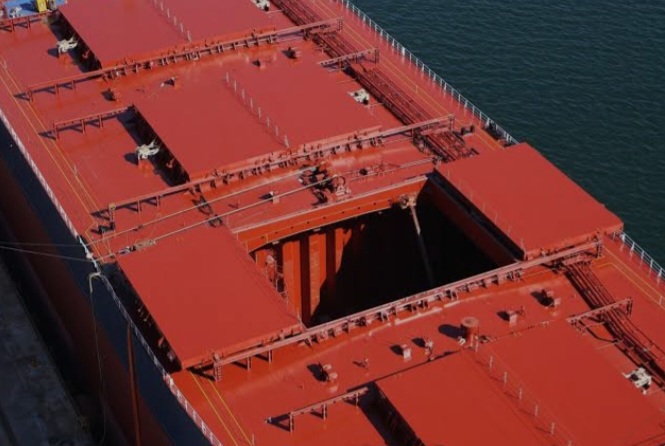
Q. Mandatory requirement for monitoring water ingress in cargo holds – bulk carriers potential problem Bulk carriers potential hazardsIngress of sea water into cargo holds poses significant threat to bulk carriers while on sea passage and in harbour. Effective means of monitoring hold bilges for presence of water are traditional practice. However New regulations now…
Read More “Bulk Carrier Hold Water Ingress Alarm” »

Bulk Carrier

Hatch Covers Safety Aspect

Posted on September 25, 2025September 25, 2025 By admin No Comments on Hatch Covers Safety Aspect
Hatch Covers Safety Aspect

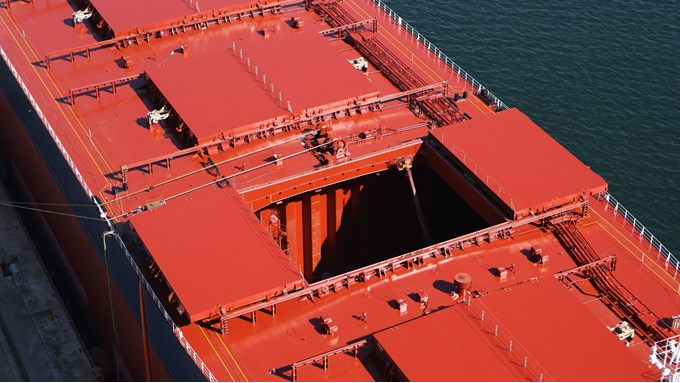
A chronological record of all maintenance work carried out on hatch covers and coamings must be maintained. It could be required as evidence to defend cargo claims. All Hatch Covers are to be hose tested prior each loading (containerships excepted) and the cause of the leakage, if any to be ascertained and rectified. Special care…

Read More “Hatch Covers Safety Aspect” »

Bulk Carrier

Crane design,maintenance and operation

Posted on September 25, 2025September 25, 2025 By admin No Comments on Crane design,maintenance and operation
Crane design,maintenance and operation

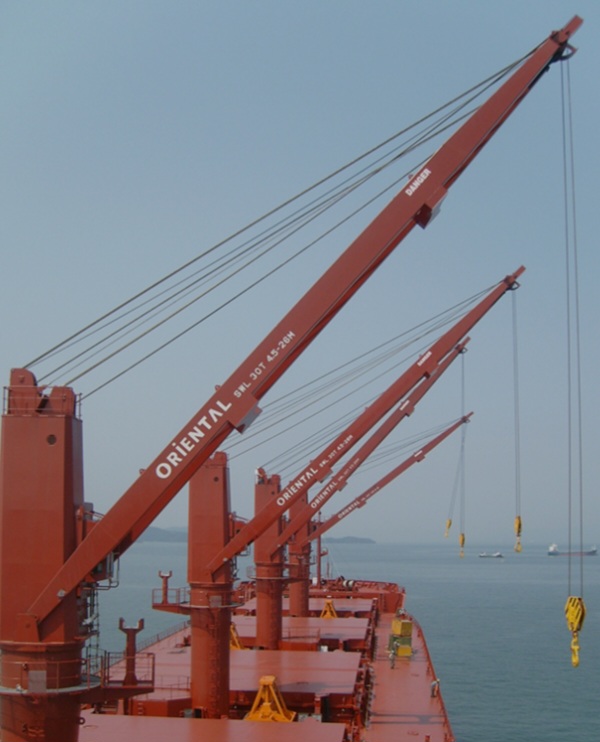
Crane design Shipboard cranes are usually of electro-hydraulic design. A crane is normally required to perform three functions—namely, to hoist, to luff, and to slew. Hoisting is the raising of the crane wire whilst the crane jib remains in a constant position. Luffing is the raising or lowering of the crane jib, and slewing is…

Read More “Crane design,maintenance and operation” »

Bulk Carrier

Loading Coal

Posted on March 15, 2025March 15, 2025 By admin No Comments on Loading Coal
Loading Coal

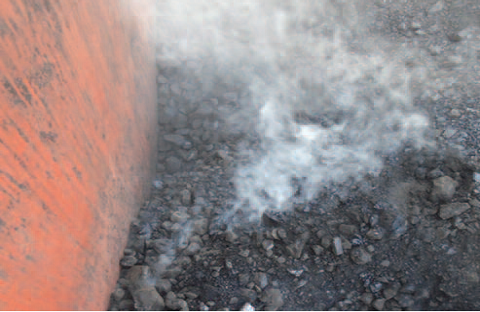
COAL Properties and characteristics 1. Coals may emit methane, a flammable gas. A methane/air mixture containing between 5% and 16% methane constitutes an explosive atmosphere which can be ignited by sparks or naked flame, e.g., electrical or frictional sparks, a match or lighted cigarette. Methane is lighter than air and may, therefore, accumulate in the…

Read More “Loading Coal” »

Bulk Carrier

Loading Sulphur

Posted on March 15, 2025March 15, 2025 By admin No Comments on Loading Sulphur
Loading Sulphur

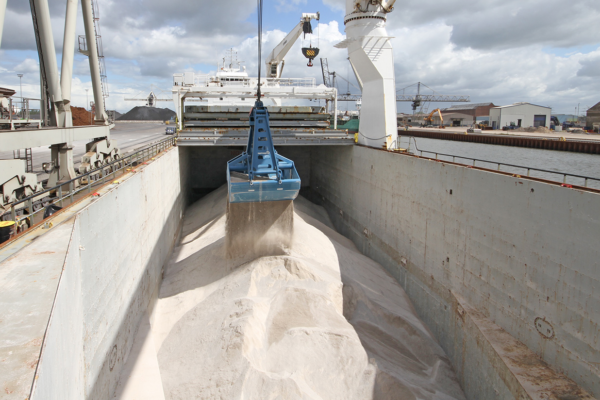
Sulphur – IMDG Code (IMO International Maritime Dangerous Goods Code) Class 4.1: Is a relatively cheap commodity, which is used in the manufacture of fertilizer. It is not only a byproduct of the petrochemical industry, but also found in its natural form. After processing, it is often shipped in prilled form. Substantial quantities of sulphur…

Read More “Loading Sulphur” »

Bulk Carrier

Loading Fertilizer

Posted on March 15, 2025March 15, 2025 By admin No Comments on Loading Fertilizer
Loading Fertilizer

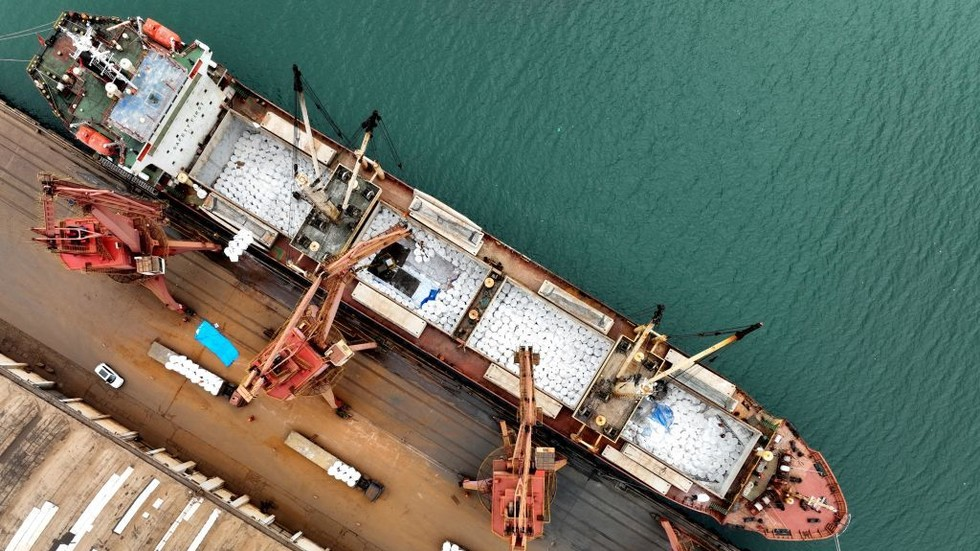
Millions of tonnes of substances (raw materials and products) are transported in bulk by sea across continents for the fertilizer industry. Some of the materials are classified as dangerous for transport. It describes various precautions to take to minimise safety and environmental risks. The fertilizer industry is a global and large tonnage industry, requiring shipments…

Read More “Loading Fertilizer” »

Bulk Carrier

Solid Bulk Cargoes

Posted on June 23, 2024June 23, 2024 By admin No Comments on Solid Bulk Cargoes
Solid Bulk Cargoes

Types of Bulk Cargoes Bulk cargoes include Coals, Concentrates, Grains, Fertilizers, Animal foodstuffs, Minerals and Ores. These cargoes constitute a high proportion of seaborne trade. IMSBC code The International Maritime Solid Bulk Cargoes Code (2009) is the revision of Solid Bulk Cargoes code (1965). The IMSBC code is based on the mandatory provisions as contained…

Read More “Solid Bulk Cargoes” »

Bulk Carrier

Coal Cargo- Know the Hazards

Posted on March 9, 2020March 9, 2020 By admin 1 Comment on Coal Cargo- Know the Hazards
Coal Cargo- Know the Hazards

Coal is a potentially hazardous cargo and serious incidents continue to arise. In some instances it would appear that those on board were not entirely familiar with the risks, and on other occasions the coal was not carried in accordance with regulatory requirements or best practice. One example involved a crew member who was using…

Read More “Coal Cargo- Know the Hazards” »

Bulk Carrier, Cargo handling

Opening & Closing of Cargo Spaces

Posted on January 20, 2020January 21, 2020 By admin 1 Comment on Opening & Closing of Cargo Spaces
Opening & Closing of Cargo Spaces

We are taking about Hatch Covers Every cargo ship, other than tankers is provided with large size hatchways on deck to facilitate loading and discharging of cargoes. This causes loss of strength at the deck level, which has to be adequately compensated. Furthermore, the hatchways have to be suitably covered, before the ship can proceed…

Read More “Opening & Closing of Cargo Spaces” »

Bulk Carrier

Care,Stowage and Protection of General Cargoes

Posted on January 17, 2020January 17, 2020 By admin No Comments on Care,Stowage and Protection of General Cargoes
Care,Stowage and Protection of General Cargoes

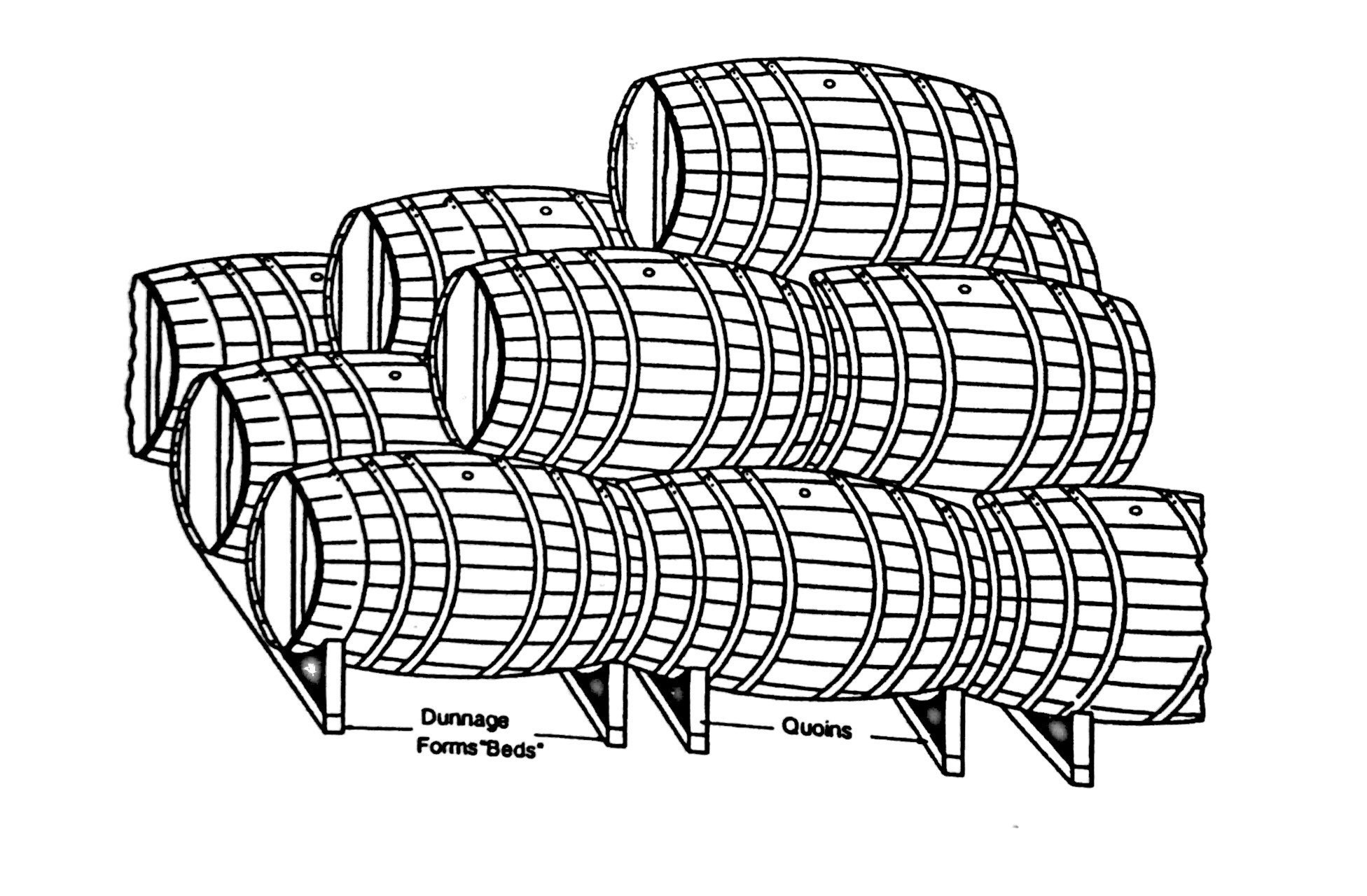
Why stowage plays a important role for cargo handling??? We will discuss the principles of stowage of some important general cargoes.  Stowage of bags  The dunnage must be first laid on the tank top. It should be laid fore and aft if there are drain wells at the after ends. The second tier of dunnage…

Read More “Care,Stowage and Protection of General Cargoes” »

Bulk Carrier

Posts pagination

Previous 1 2 3 Next

Categories

  • Bulk Carrier
  • Cargo handling
  • Engine Room Operations
  • LSA & FFA
  • Maritime Industry
  • Maritime Law
  • Merchant Shipping
  • Navigation
  • Rules and Regulation
  • Ship Construction
  • Shipboard operation
  • Stability
  • Tanker
  • Uncategorized

Blog is primarily for candidates appearing for certificate of competency exams but such is the detail that while being equally suitable for the beginner, it is also reference work for experienced seaman, and the layout and style of blog make it suitable for shipboard training where practical experience can be allied to the theoretical approach.

Recent Comments

  • capt on Radar Best Practice -ARPA
  • admin on Dry Docking (Theory & Numericals)
  • Stelios Karamplakas on Dry Docking (Theory & Numericals)
  • Farid OMARI on Demurrage
  • admin on Tanker Cargo Calculations

Copyright © 2018 knowledge of sea – All Rights Reserved.

If you’re unsure about what type of training will work best for you, just tell us a little more about your needs. We will get back to you as soon as possible with the answers you need!

All answers will be from sailor mouth, who is practically working on board.

July 2026
S M T W T F S
 1234
567891011
12131415161718
19202122232425
262728293031  
« May    

Copyright © 2026 Knowledge Of Sea.

Powered by PressBook WordPress theme