Port of Refuge
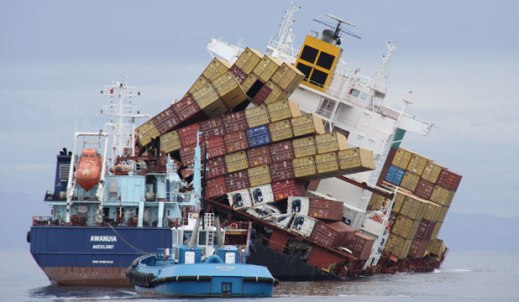
– A port of Refuge is a port or place that the vessel diverts to when her master considers it is unsafe to continue the voyage due to peril that threatens the “common safety”, e.g. when there is a dangerous ingress of water into a vessel, a dangerous shift of cargo. the vessel adopts an angle of loll, there is a serious fire on board etc
– When such a deviation is made for the preservation from peril of property involved in a common maritime adventure, it will usually constitute a general average act and the costs of the deviation to stay at the port of refuge in general average
Procedures to be followed for a ship calling a port of refuge:
1. Inform the agents in the port of refuge, the ship’s requirements (spares, bunkers, etc, if the vessel has shifting cargo, vessel may require stevedores and barges etc…).
2. Record ship’s position, Keep accurate records of all events and expenditure.
3. Inform the agent to intimate the port authority, pilot, P & I Club surveyor, Immigration, Customs, Port health etc.
4. Salvor to be given salvor’s security.
5. Obtain health clearances.
6. Enter the vessel “under average”
7. After safe arrival in port inform owner and charterer, who will declare general average.
8. Note protest as soon as possible.
9. Notify insurance agent if there is hull and machinery damage.
10. Notify Classification society.
11. If cargo damage is suspected, inform P & I Club
12. If the voyage is terminated, GA bond and GA Guarantee are to be provided.
13. Arrange cargo discharge, trans-shipment or ware-housing of cargo.
– The Class Surveyor will inspect the damage area and will recommend repairs. For this, the cargo may have to be shifted, stages may be rigged inside and outside and in some cases vessel may require dry-docking.
– On receiving the list of repairs from the class surveyor a tender document is prepared with the company’s representative and the underwriter surveyor, if any.
– The tender document is prepared in two parts. First part is for the technical bid and the second part is for the price bid. In the technical bid part, the repairing workshop shows :
1. Eligibility to repair,
2. Competence to repair, &
3. Proper facilities at the workshop to repair by providing evidences of previous experiences of similar repairs.
– For preparing the price bid, the workshop representative will visit the ship and inspect the sight of repair. By particular time and date the tendered document will be submitted to the ship.
– The technical bid will open first and the competent workshop will be shortlisted. The price bid of the shortlisted workshop will then be opened, lowest bid will be accepted, keeping in mind that more efficient work in sorter time is preferable.
– The contract of repairs will then be signed with the selected workshop. The contractor should include a demurrage clause in which the daily rate of demurrage and pro-rata should be stated. The recommended repairs will then be carried out under the supervision of class surveyors.
– On satisfactory completion of the repairs the class surveyor will issue an “Interim Certificate of Class” to await the final certificate.
– The disbursement of port is paid through the agent after which the master will extend the protest.
– Copies of all documents will be transmitted to the owner and the vessel will obtain port clearance, proceed out to sea and resume the course.
– Make appropriate log book entries.