Skip to content

Knowledge Of Sea

We will keep you updated

  • Home
  • Video
  • Chartering Terms
  • Rule of the Road (COLREG)
    • Nautical Flags
    • Rule of the Roads – CARDS
  • Tanker Definitions
  • Downloads
  • ORAL NOTES
    • ORAL NOTES- 2ND OFFICER
    • ORAL NOTES- CHIEF MATE
    • ASM ORAL NOTES 1
    • ASM ORAL NOTES 2
    • ASM ORAL NOTES 3
  • About Me
  • Toggle search form

Safe ports and berths
Posted on March 9, 2020March 9, 2020 By admin No Comments on Safe ports and berths
Safe ports and berths

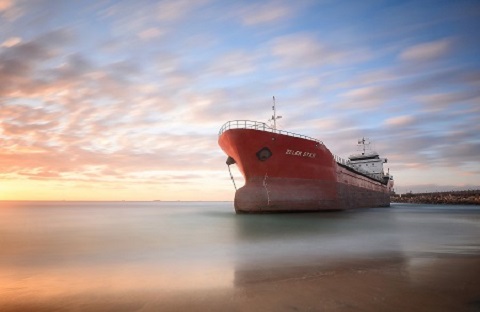
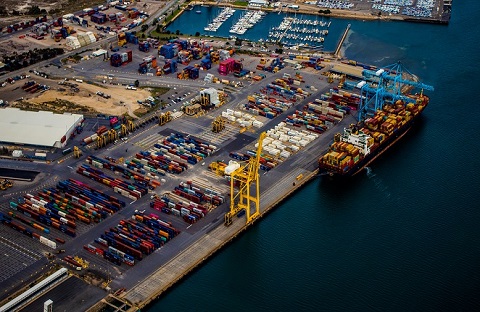
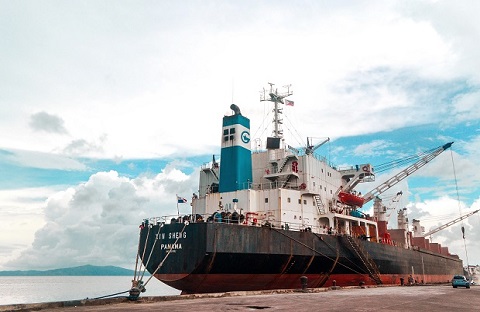
Generally a port can be rendered unsafe due to: Sandbanks and shallows Obstructions such as wrecks An inadequate system at the port (such as weather warnings, mooring facilities and tug availability) to enable a ship to leave the port when weather conditions make it unsafe for the vessel to remain at berth Political situation or…
Read More “Safe ports and berths” »

Merchant Shipping

Notice Of Readiness

Posted on March 8, 2020March 8, 2020 By admin No Comments on Notice Of Readiness
Notice Of Readiness

A Notice of Readiness (“NOR”) is a notification by the vessel that she is ready to start the charter service (upon delivery) or is ready to load or discharge cargo. Giving an NOR has two purposes: (i) to inform the charterers that the vessel is at their disposal; and (ii) to start the running of…

Read More “Notice Of Readiness” »

Merchant Shipping

Tanker cargo shortage and contamination claims

Posted on March 7, 2020March 7, 2020 By admin No Comments on Tanker cargo shortage and contamination claims
Tanker cargo shortage and contamination claims

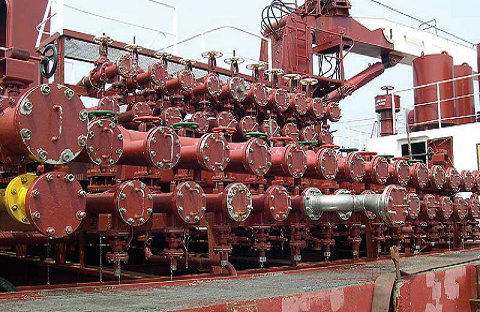
There are many areas where the transfer of bulk liquid cargoes and the methods used can give rise to either a short out-turn or a cargo contamination. If we consider the cargo loading and discharge cycle, a ship must first be prepared with suitably clean tanks to load the cargo; then a correct loading sequence…

Read More “Tanker cargo shortage and contamination claims” »

Shipboard operation

ECDIS (Safe or Risk to Navigation)

Posted on March 7, 2020March 7, 2020 By admin No Comments on ECDIS (Safe or Risk to Navigation)
ECDIS (Safe or Risk to Navigation)

Numerous groundings and near misses have occurred on ECDIS equipped ships that could have been avoided but for failures in the setup and use of ECDIS. Like most of the world’s merchant fleet trading internationally, your ship(s) is most likely equipped with an Electronic Chart System (ECS) or Electronic Chart Display and Information System (ECDIS)….

Read More “ECDIS (Safe or Risk to Navigation)” »

Navigation

Navigation Safe Practices (II)

Posted on March 5, 2020March 5, 2020 By admin No Comments on Navigation Safe Practices (II)
Navigation Safe Practices (II)

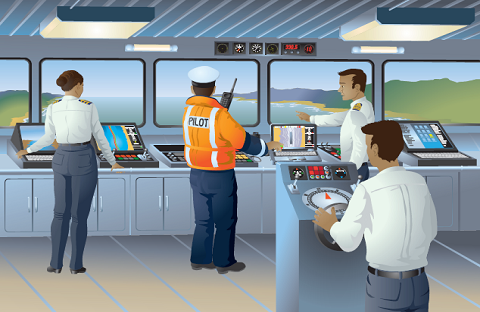
Safe practices in navigation are an important aspect of the overall safety of the ship. Perhaps more important than knowing the theory of navigation. Safe Practices are followed because of good planning and commitment by the ships leadership. In the case studies given below it shall be observed that experienced watch keepers and masters involve…

Read More “Navigation Safe Practices (II)” »

Navigation

Navigation Safe Practices

Posted on March 3, 2020March 7, 2020 By admin No Comments on Navigation Safe Practices
Navigation Safe Practices

Collisions and groundings are a result of unsafe practices. Let look at the why collisions occur and how they can be prevented by implementing safe practices. Collisions in Fog The majority of collision claims seem to occur in fog or reduced visibility. Statistical analyses of these have shown that: The collision occurs during the watch…

Read More “Navigation Safe Practices” »

Navigation

Principles of Position Determination

Posted on February 27, 2020March 7, 2020 By admin No Comments on Principles of Position Determination
Principles of Position Determination

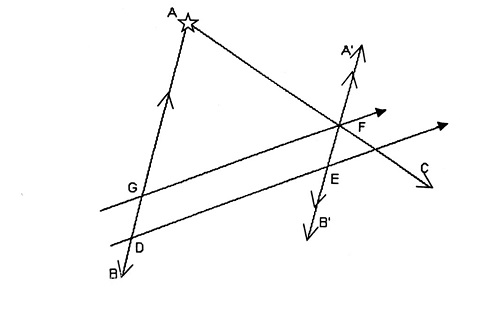
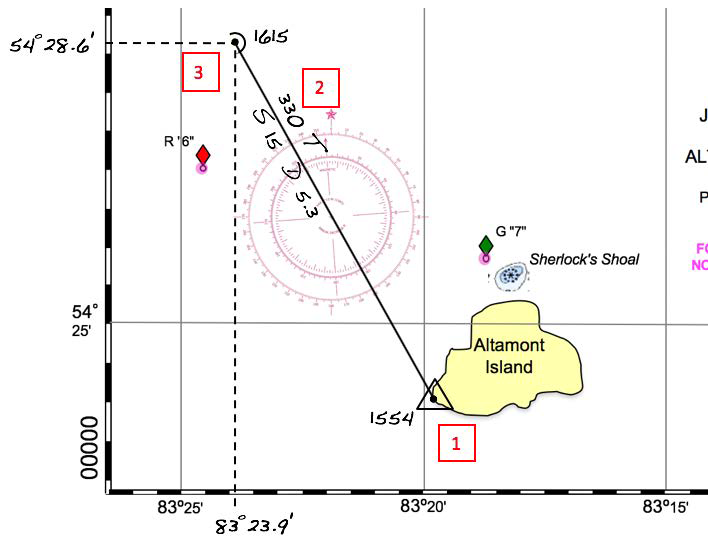
With the emergence of satellite position fixing systems, position determination at sea today has been reduced only to plotting of latitude and longitude read from the GPS screen display. Positions so obtained have very high level of accuracy, provided the equipment is working accurately. Radar and LORAN, where available are very frequently used navigational aids…

Read More “Principles of Position Determination” »

Navigation

Position Fixing

Posted on February 27, 2020September 11, 2023 By admin No Comments on Position Fixing
Position Fixing

POSITION FIXING Good navigational practice demands that the officer of the watch: ● Uses visual navigation aids and Radar to support electronic position-fixing methods, i.e. landmarks in coastal areas and celestial navigation in Ocean passage / Deep waters.● Does not become over reliant on automated navigational equipment, including electronic chart systems, thereby failing to make…

Read More “Position Fixing” »

Navigation

Understanding ISPS Code

Posted on February 21, 2020September 11, 2023 By admin 1 Comment on Understanding ISPS Code
Understanding ISPS Code

What is ISPS code? ISPS code is the International Ship and Port facility Security code. SOLAS chapter XI-2 part A and part B relates to special measures to enhance maritime security. In this context the principles behind ISPS code is similar to the ISM code on board. ISPS code emphasises the security of the persons…

Read More “Understanding ISPS Code” »

Maritime Law

Charter Party

Posted on February 20, 2020September 11, 2023 By admin 2 Comments on Charter Party
Charter Party

What is a liner trade and how is it different from a tramp trade Liner trade is a trade where a ship is operated on one or more fixed routes with advertised and scheduled sailing. True passenger liners operating on ocean services were mostly displaced in the 1960s by jet airliners. Today, very few long-haul…

Read More “Charter Party” »

Merchant Shipping

Posts pagination

Previous 1 … 31 32 33 … 49 Next

Categories

  • Bulk Carrier
  • Cargo handling
  • Engine Room Operations
  • LSA & FFA
  • Maritime Industry
  • Maritime Law
  • Merchant Shipping
  • Navigation
  • Rules and Regulation
  • Ship Construction
  • Shipboard operation
  • Stability
  • Tanker
  • Uncategorized

Blog is primarily for candidates appearing for certificate of competency exams but such is the detail that while being equally suitable for the beginner, it is also reference work for experienced seaman, and the layout and style of blog make it suitable for shipboard training where practical experience can be allied to the theoretical approach.

Recent Comments

  • capt on Radar Best Practice -ARPA
  • admin on Dry Docking (Theory & Numericals)
  • Stelios Karamplakas on Dry Docking (Theory & Numericals)
  • Farid OMARI on Demurrage
  • admin on Tanker Cargo Calculations

Copyright © 2018 knowledge of sea – All Rights Reserved.

If you’re unsure about what type of training will work best for you, just tell us a little more about your needs. We will get back to you as soon as possible with the answers you need!

All answers will be from sailor mouth, who is practically working on board.

April 2026
S M T W T F S
 1234
567891011
12131415161718
19202122232425
2627282930  
« Mar    

Copyright © 2026 Knowledge Of Sea.

Powered by PressBook WordPress theme