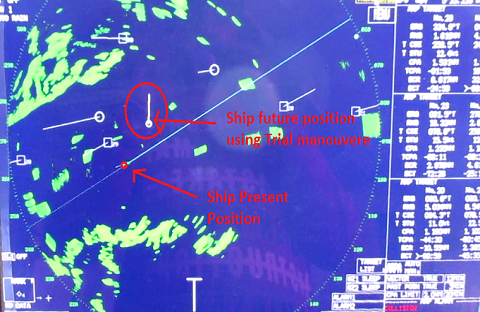
When using the ARPA the following points to be considered:
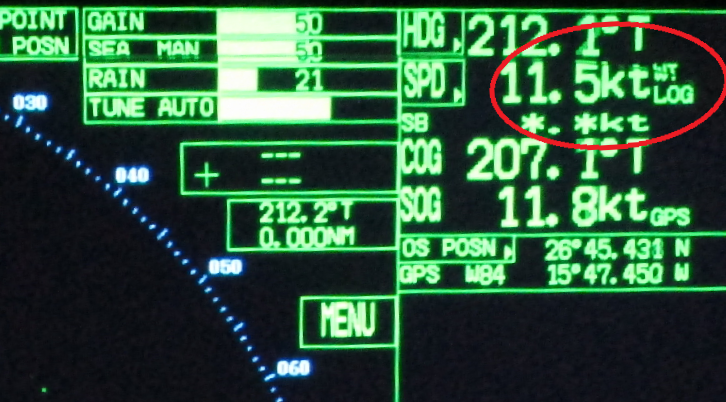
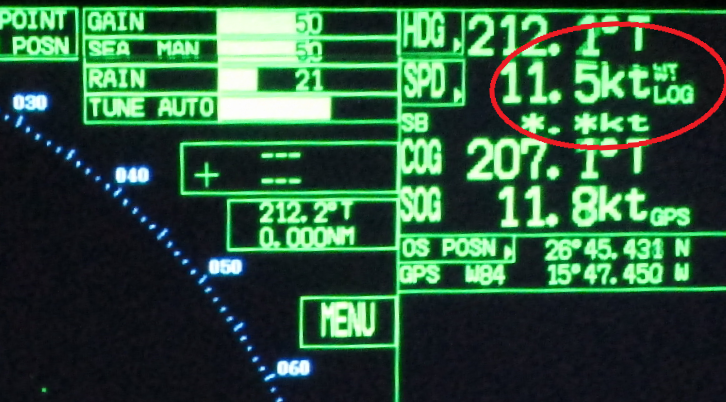
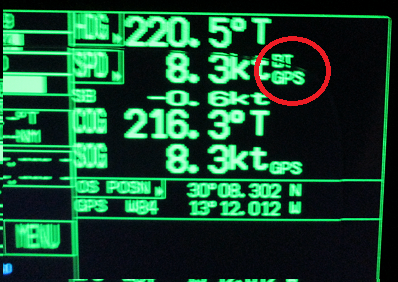
For collision avoidance purposes an ARPA should be sea stabilized with a log input delivering the vessel’s speed through the water. The resulting true vectors will provide a more accurate indication of the aspects of tracked targets. IF speed through the water is set manually, the details should be checked regularly and updated as necessary. Remember that GPS speed is the vessel’s speed over the ground.
If two or more ARPAs are in operation, it is recommended that these be set with different vector and trail types so that a comprehensive display of all information regarding traffic in the vicinity is readily available.
When sea stabilization and considerable set and drift exist, land and other fixed objects will have true motion trails, possibly causing screen clutter, In such circumstances consideration should be given to selecting ground stabilization to differentiate more easily between fixed and moving targets. However for collision avoidance purposes sea stabilsation is preferable.
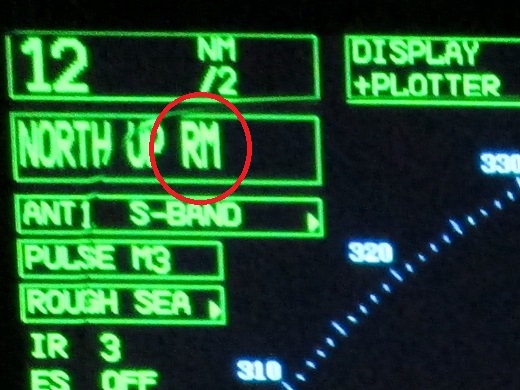
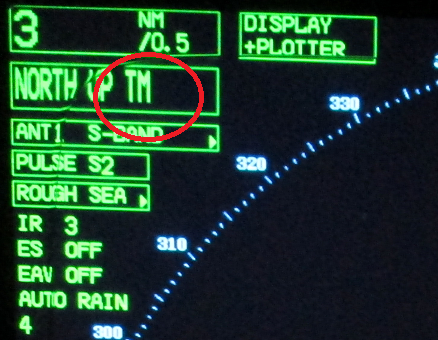
It should be borne in mind that the relative motion of a target, and therefore its closest point of approach (CPA), time to closest point of Approach (TCPA), bow crossing range (BCR) and bow crossing time BCT should remain the same regardless of radar set-up, provided the vessel and the target maintain their course and speed,
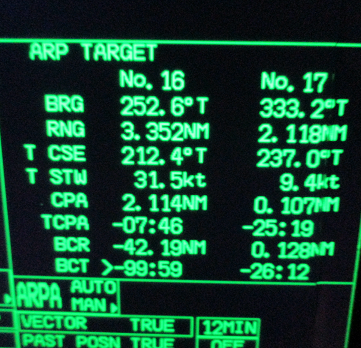
Compass heading and speed errors will produce inaccurate target true vector data, particularly when another vessel is on a reciprocal or near reciprocal course. This may lead to an incorrect interpretation of the other vessels true heading and the necessary collision avoidance action
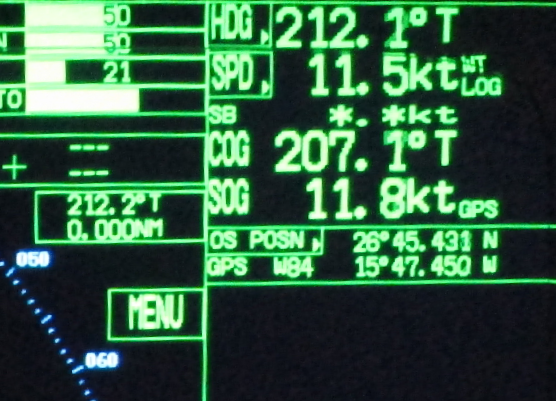
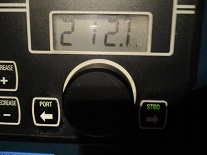
When using a transmitting magnetic compass to provide radar heading data, be aware that rolling may cause the magnetic to oscillate resulting in inaccurate ARPA information.
Ensure visual and audible alarms are switched on when required
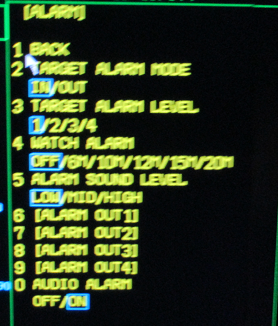
The CPA and TCPA alarms should be switched on and adjusted as necessary according to the prevailing navigation situation.
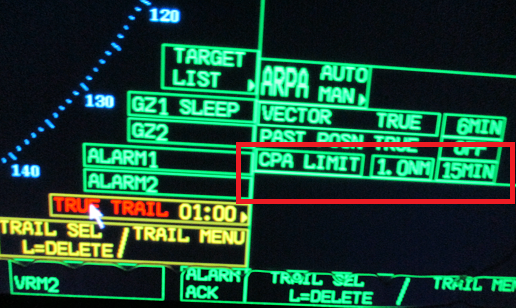
The BCR and BCT alarms should be switched on and adjusted as necessary according to the prevailing navigational situation, remembering that the distance from the radar scanner to the bow may be considerable,
If guard zones or target acquisition areas are used, bear in mind that these features are no substitute for maintaining a proper lookout by sight, hearing and all other available means to ensure the early detection of other vessels.
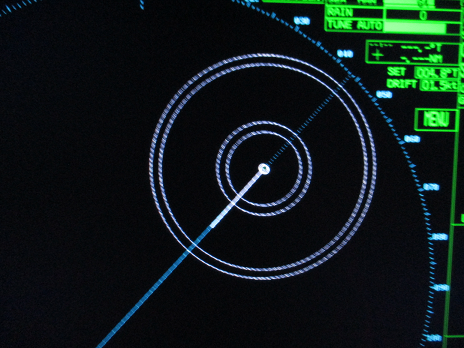
In order for accurate target information to be displayed, an ARPA will need to track a target data to reflect such details
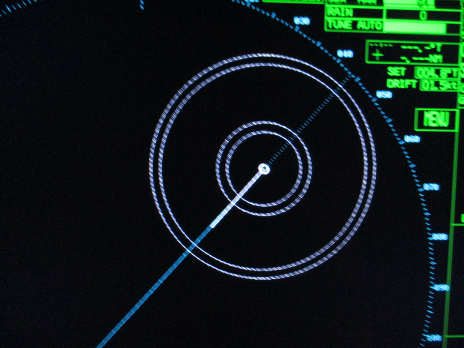
Although ARPA target data may appear to be accurate, always treat such information with caution.
When selecting a vector length, ensure that it is appropriate to the prevailing circumstances and conditions.
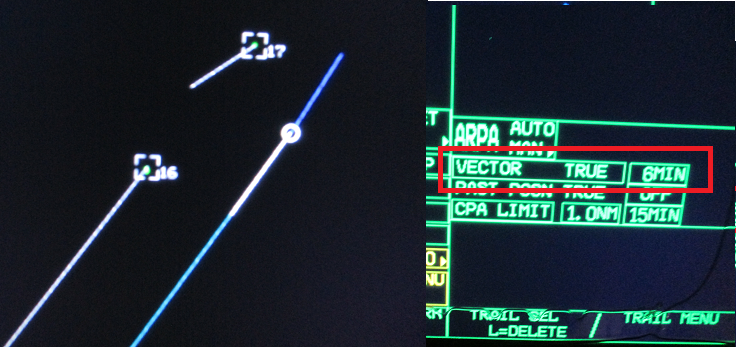
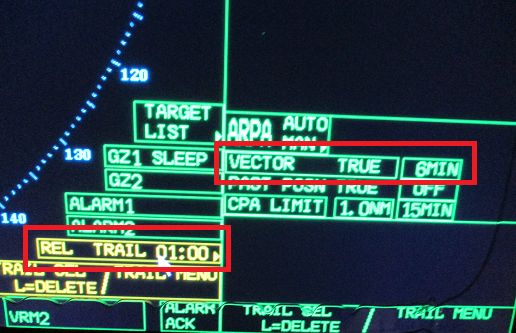
When determining whether a close quarter situation is developing and/or risk of collision exists, the use of relative vector is preferred. However, it is good practice to switch between relative and true vectors to gain a better appreciation of the navigation situation.
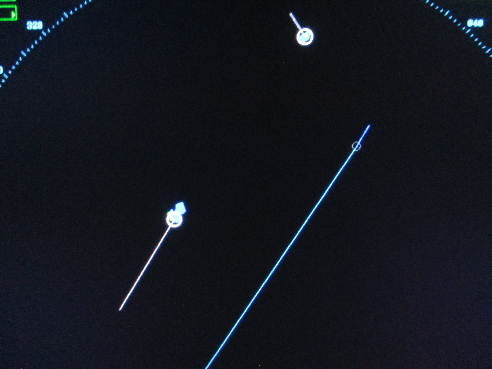
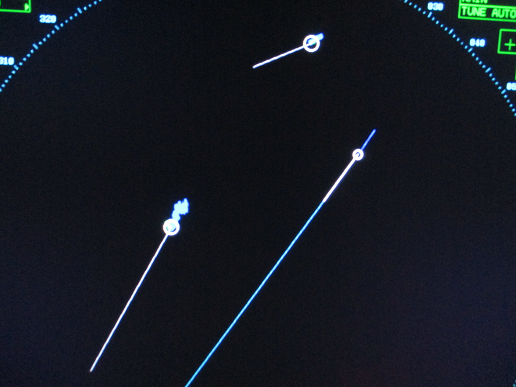
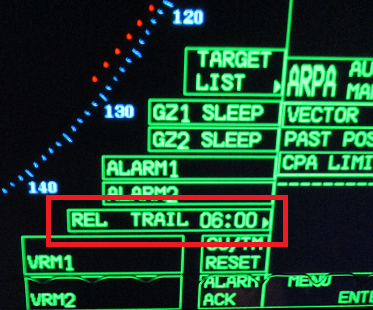
Relative target trails which are sufficiently distinct may provide an early indication of whether a close quarter situation is developing and/or risk of collision exists.
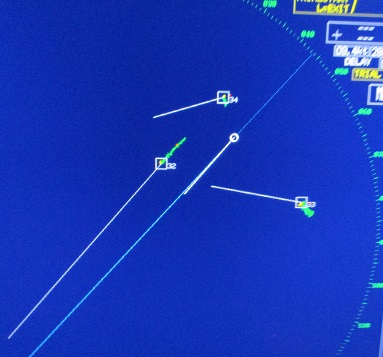
Combining true vectors with true trails or true history is not recommended. The resulting visual display will give no indication of the relative movement of other vessels and the risk they present.
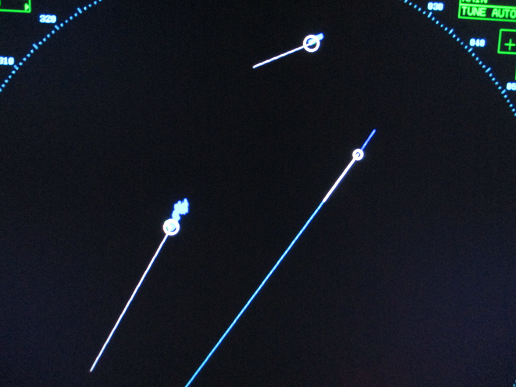
If a target is approaching and successive radar compass remain steady, a risk of collision exists, However, there may still be a risk of collision even if the compass bearing is changing, particularly when targets are at close range, are large or involve tugs and tows.
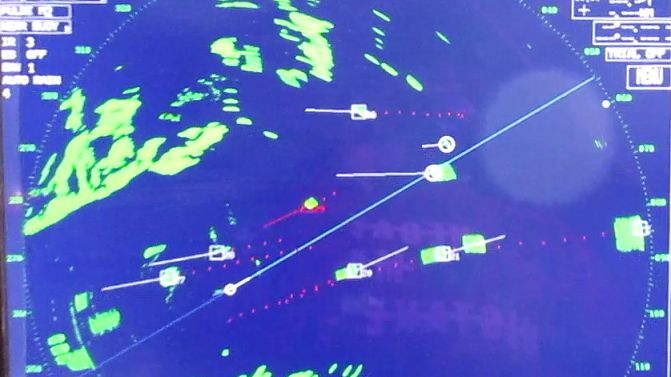
It should be remembered that ARPA accuracy may be poor if there is a significant difference in speed between the vessel and a target, or if one or both vessels are continually altering course.
Some ARPAs may not be able to track small, high speed craft accurately and it is possible that such targets may be lost
Bear in mind that when using ARPA, small alterations of course and or speed by other vessels may not be readily apparent.
Where available, AIS targets data on the radar display can give information on the course and speed of another vessel. However although changes in course/speed may be readily apparent, the accuracy of such information should be viewed with caution as the sensors on the transmitting vessel may be poorly configured or calibrated.
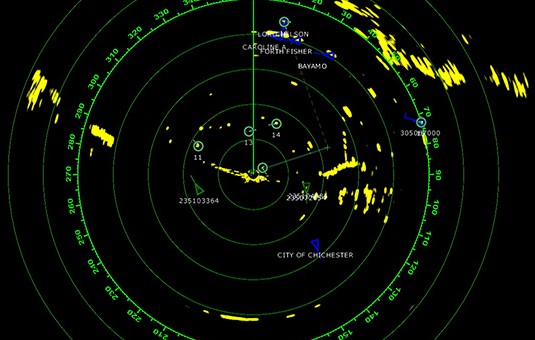
Practice using ARPA trial manoeuvre function to improve familiarity with its use, capabilities and limitations, but only when safe and practicable to do so.
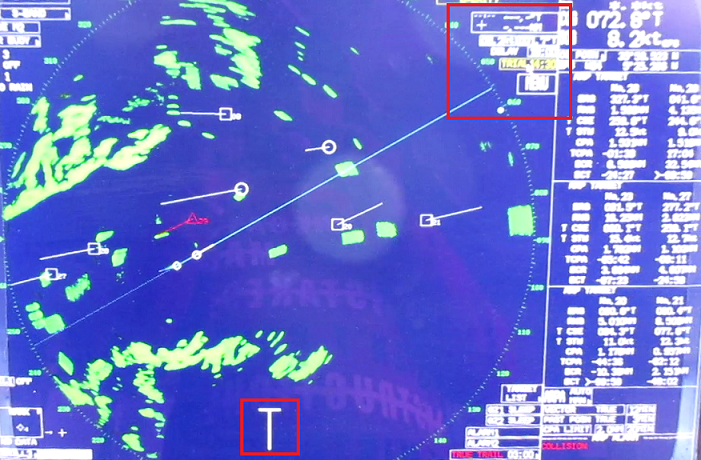
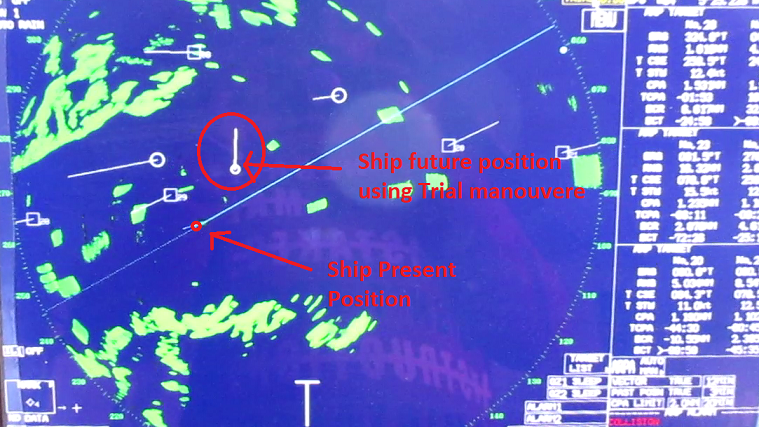
When contemplating an alteration of course and/or speed to avoid a close quarter situation and/or risk of collision, particularly in high traffic areas, consider using the ARPA trial manoeuvre function to see the effect of the proposed manoeuvre on all tracked targets. Remember to apply a suitable time delay to ensure the trial reflects the intended action.
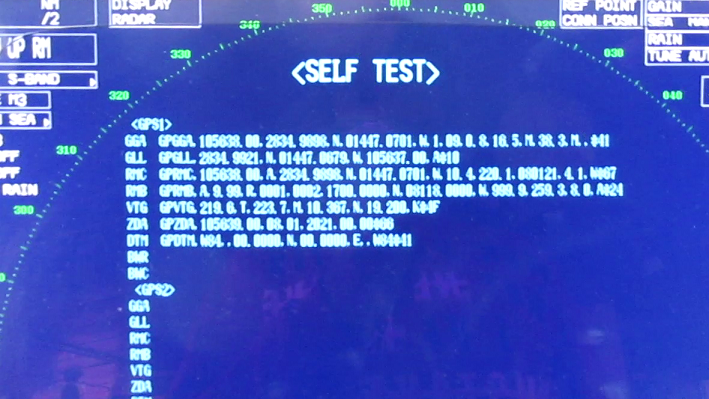
Integral ARPA test programmer should be run regularly to check the validity of the plotting data.
good