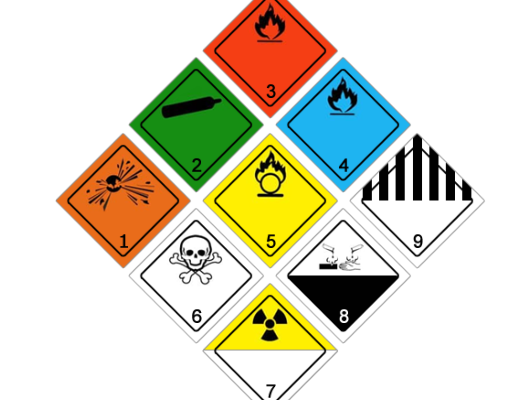
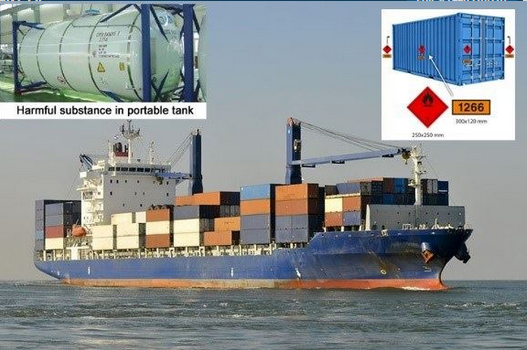
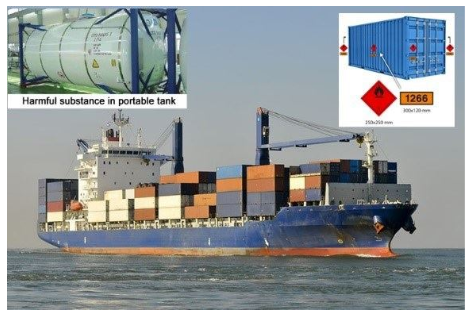
Harmful substances in packaged form are transported in freight containers, portable tanks or road and rail tank wagons, etc
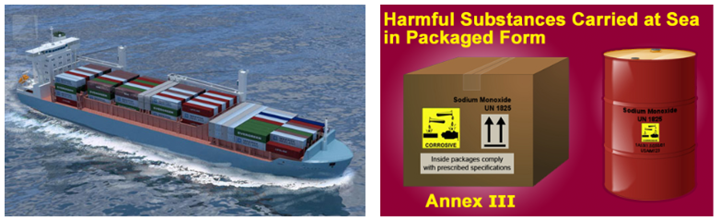
Hazards of transporting harmful substance in packaged form:
During transportation they may cause environmental pollution:
- By leaking to hold bilges on container vessels
- Pollution from loss overboard of harmful packaged goods during rough weather
Annex III contains general requirements for the issuing of detailed standards on packing, marking, labelling, documentation, stowage, quantity limitations, exceptions and notifications.
The MARPOL Annex III regulations were developed in order to identify marine pollutants so that they could be packed and stowed on board ship is such a way as to minimize accidental pollution as well as to aid recovery by using clear marks to distinguish them from other (less harmful) cargoes.
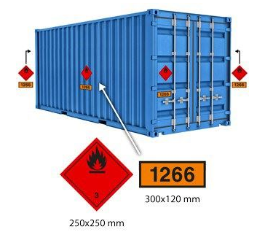
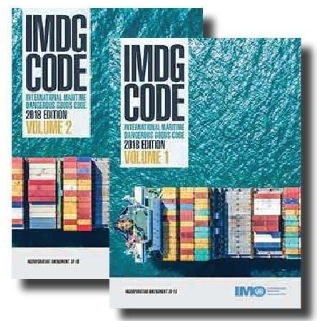
“Harmful substances” are those substances which are identified as marine pollutants in the international maritime dangerous goods code (IMDG CODE)
Classification of IMDG code
IMDG code uses a classification system in which each dangerous substance or article is assigned to a CLASS, depending on the nature of the danger it presents. There are 9 Classes.
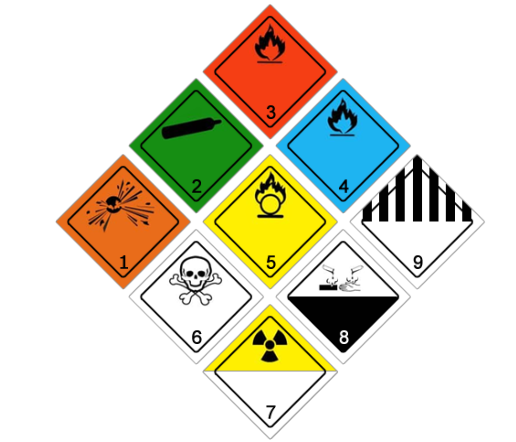
Class I: Explosives
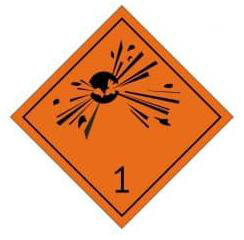
Explosives are classified as dangerous goods because they are capable of producing hazardous amounts of heat, light, sound, gas, or smoke.
e.g Ammunition, Fireworks, Flares etc
Class II: Gases
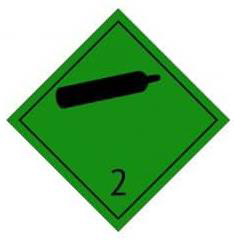
The class of gases includes compressed gases, liquefied gases, dissolved gases, refrigerated liquefied gases, aerosols, and more. Gases are dangerous because they pose a serious risk as potential asphyxiants and because of their flammability.
e.g. Compressed air, Fire extinguishers, Refrigerant gases etc
Class III: Flammable Liquids
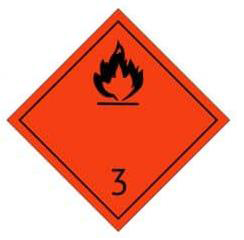
Flammable liquids are volatile and are capable of giving off a flammable vapour.
e.g. Paints, Gasoline, Diesel, Kerosene
Class IV: Flammable Solids
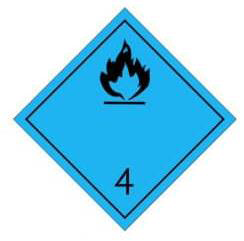
Flammable solids are highly combustible and can even cause fire through friction. They are certainly capable of inflicting serious damage.
e.g. matches, metal powders, oily cotton waste, Calcium carbide.
Class V: Oxidising Substances and Organic Peroxide
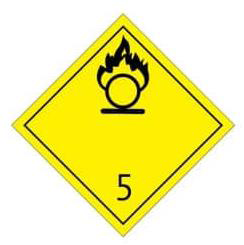
Substances which can yield oxygen are classified as dangerous goods because, although not necessarily combustible in themselves, they can contribute to the combustion of other hazardous substances.
e.g. Ammonium nitrate fertilizer, Perchlorates, Permanganates, etc.
Class VI: Toxic and Infectious Substances
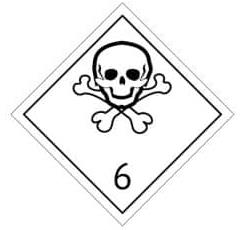
Toxic substances are classified for being able to cause serious injury or death to humans if swallowed, inhaled, or by contact with skin. Infectious substances are classified for containing pathogens, including bacteria, viruses, parasites, or other agents which can cause disease in humans or animals upon contact. e.g. Biomedical waste, Cyanides, Chloroform etc.
Class VII: Radioactive Material
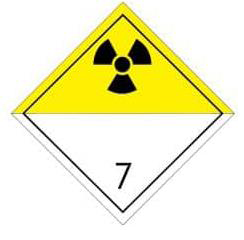
Radioactive materials are defined as any substance which contains atoms that are subject to radioactive decay. Consequently, whilst undergoing radioactive decay, radioactive material can emit potentially harmful ionizing radiation.
e.g. Radioactive ore, Enriched Uranium, etc
Class VIII: Corrosives
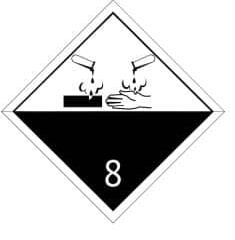
Corrosive substances react chemically to damage or destroy material, like living tissue, upon contact. e.g. Acids, Batteries, etc.
Class IX: Miscellaneous Dangerous Goods

Miscellaneous dangerous goods are substance which present a danger not covered by other classes. According to the U.N., this class includes environmentally hazardous substances, elevated temperature substances, micro organisms, genetically modified organisms etc. e.g. Dry ice, First aid kits, Life saving appliances, Battery powered equipment.
Application of MARPOL Annex III
The Annex applies to all ships carrying harmful substances in packaged form, or in freight containers, portable tanks or road and rail tank wagons.
For the purpose of this annex, “harmful substances” are those substances which are identified as marine pollutants in the International Maritime Dangerous Goods Code (IMDG Code) or which meet the criteria in the appendix of annex III.
For preventing or minimizing pollution by harmful substances the regulations require the issuing of detailed standards on:
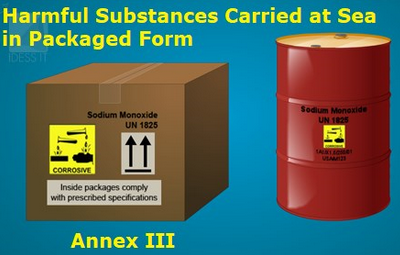
- Packaging
- Marking
- Labelling
- Documentation
- Stowage
- Quantity Limitations
- Exceptions
- Notifications
Requirement for re-using empty packaging and containers: –
For the purposes of Annex III, empty packaging which have been used previously for the carriage of harmful substances are themselves treated as harmful substances unless adequate precautions have been taken to ensure that they contain no residue that is harmful to the marine environment, in other words they have been cleaned thoroughly.
Packing of harmful substances
Size of package is restricted:-
Packaging containers and tanks are adequate to minimize the hazard to the marine environment, having regard to their specific contents. That meand highly toxic packages are not large and bulky.
Marking and Labelling
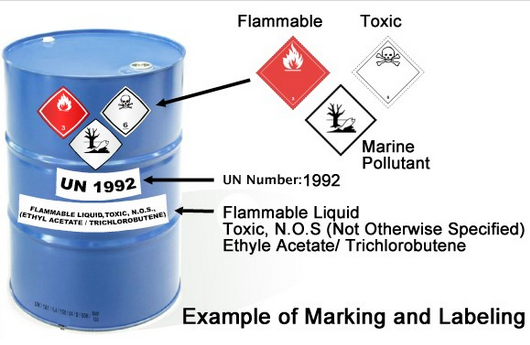
Requirements for marking and labelling packages, freight containers, tanks and wagons.
Markings and labels display:
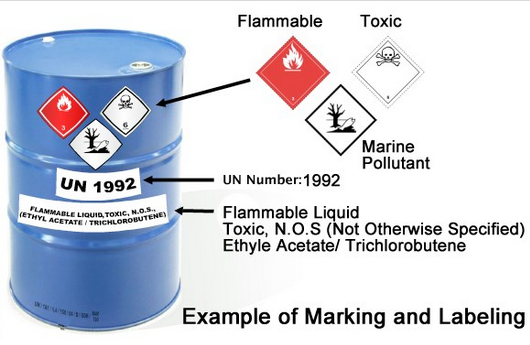
- Packages, Freight containers, Tanks and Wagons containing a harmful substance are durably marked with the correct technical name.
- Type of hazard (flammable, toxic, corrosive etc) and that the substance is a marine pollutant are indicated.
- Such identification is supplemented where possible by relevant UN number for harmful substance.
- Packages containing small quantities of harmful substances maybe exempted from the marking requirements.
Durability test of markings:
Markings on package still identifiable after 3 months of immersion in sea water.
UN Number
UN numbers are four digit numbers that identify dangerous goods hazardous substances and articles (such as explosives, flammable liquids, toxic substances, etc) in the framework of international transport.
They are assigned by the United Nations Committee of Experts
On the transport of dangerous goods.
Documentation
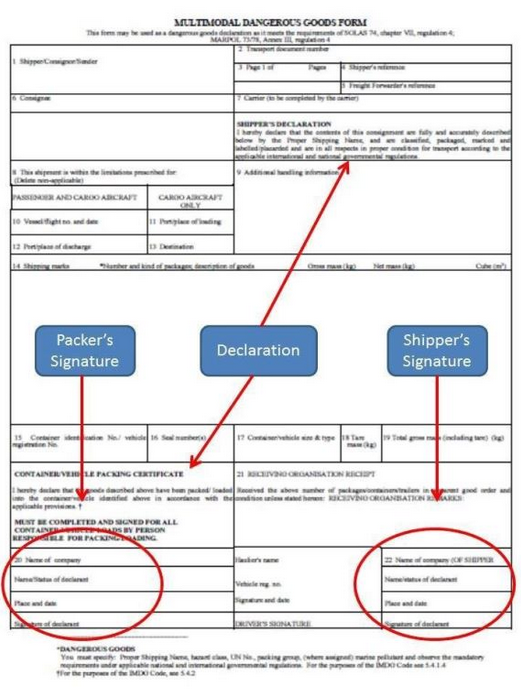
It is the declaration which shipper submits to the shipping company in the shipment of the DANGEROUS CARGO (Harmful Substance)
All documents relating to the carriage of harmful substances by sea have:
- Correct technical name
- Further identification, Marine pollutant
- Signed certificate, that shipment is properly labelled and marked to minimize hazard to marine environment.
- The ship will have a detailed stowage plan of harmful substance packages and location where stowed.
Stowage
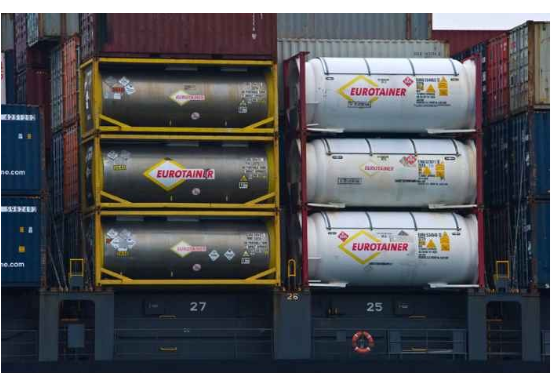
Harmful substances are properly stowed and secured so as to minimize the hazards to the marine environment without impairing the safety of the ship and persons on board.
Quantity limitations
Certain harmful substances, for sound scientific and technical reasons, are
- Prohibited for carriage
- Limited as to the quantity which may be carried aboard anyone ship.
In limiting the quantity, due consideration is given to:
- Size, construction and equipment of the ship
- Packaging and the inherent nature of the harmful substances.
Exceptions
“Jettisoning (dumping) of harmful substances carried in packaged form is prohibited, except where necessary for the purpose of securing the safety of the ship or saving life at sea”
Washings of harmful substance leakages onboard are regulated, taking into considerations physical, chemical and biological properties of harmful substances and safety of crew and ship.