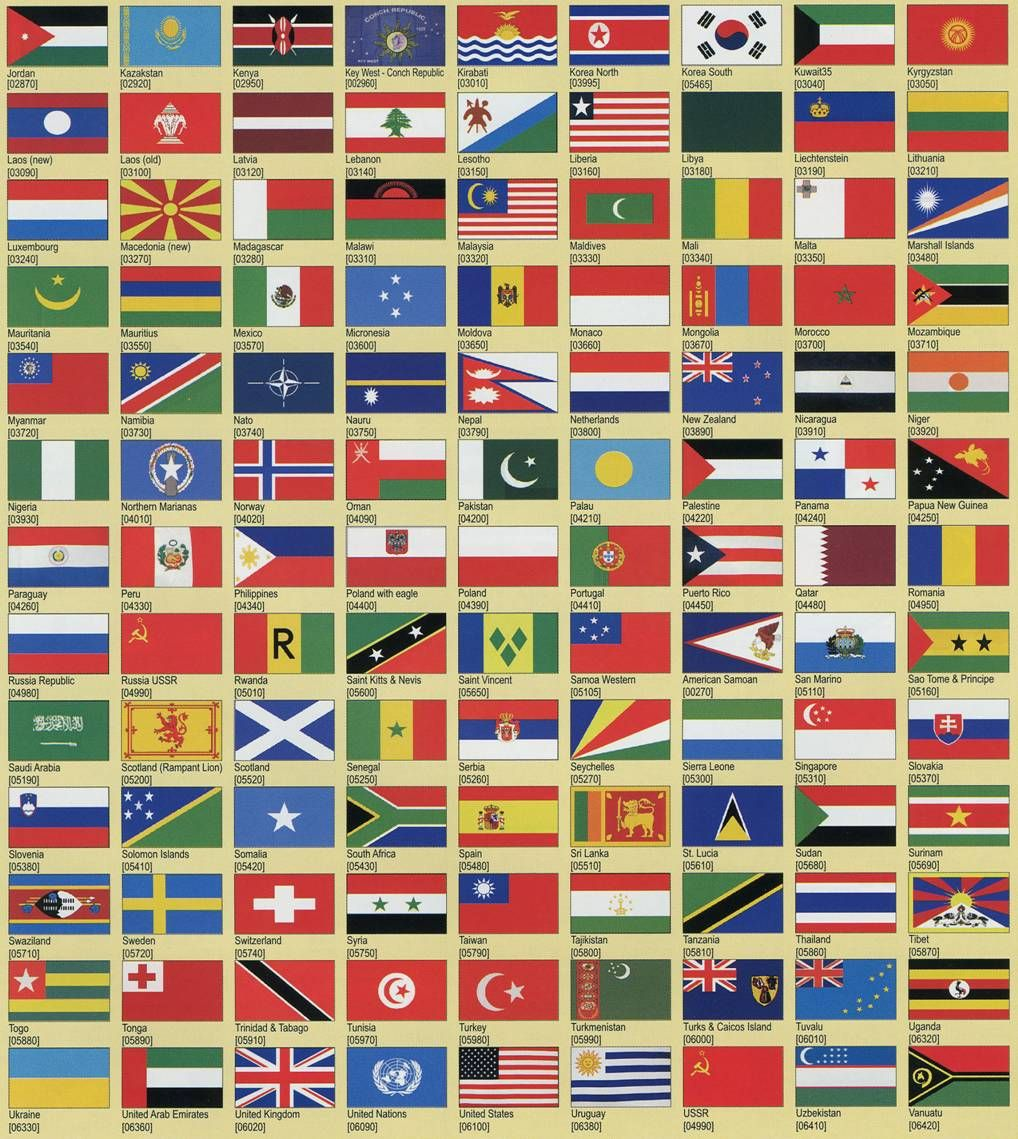
Flags of convenience came into existence in the late sixties. In the earlier stage, they were not welcome. Now they have not only come to stay but the established maritime nations also are now establishing such registration procedures.
We shall learn why flag of convenience came into existence and their effect on shipping in general.
Flag of convenience (FOG) was the term coined by the ITF (International trade Federation) in 1970’s primarily to protect the interest of the European crew who were being replaced by crew from non-European countries on ships not registered in Europe. ITF also subsequently took up the matter of protecting the wages and working conditions of these non-European crews. ITF initially said that these non-European crews were substandard, from the third world and underpaid. When this problem could not be resolved, they were named untrained and later unsafe.
What exactly is a FOC is not legally specified anywhere but it is implies to a Government, which allows a ship to be registered in its country, paying a nominal tax and fly the flag of the state. The Government Administration does not bother at all about the ownership, crewing and trading of the ship. In fact, these states also did not make any effort to enforce international maritime legislation, to which they are signatories in the IMO. As a matter of policy, they delegated this responsibility to the various classification societies who acted on behalf of the Flag State. The taxes are low, the enforcement of legislation lax and no unions to worry about. FOC allows:
- Ship owner from a country ‘A’ to register his vessel with a FOC country ‘B’;
- Pass on the technical and crewing management to another third party in country ‘C;
- Have the vessel classed with a classification society offering cheapest service rates and
- Have his vessel available for worldwide trade.
In the major shipping industry upheaval of the 70’s, a lot of vessels from the traditional maritime nations were flagged out to, what is commonly known as, flags of convenience for economic survival. At this time, extreme commercial competition because of the rising operating costs and falling profits (as against the skills or tradition) made it necessary for these ships to operate under these flags. A major change occurred in ship owning. This pattern of ship owning permitted number of banks or financial institutes to own ships. Their interest was only return on investment. Good and safe operations took a backseat. The new breed of ship-owners only worried about the commercial aspects of their ships operations. They handed over all other technical and management aspects on a contact to a ship manager; they in turn passed on the manpower requirements to a crewing agency. With cost savings becoming the paramount factor, the various maritime traditions were either diluted or totally done away with. This was because many ship-owner or their managers, from their perspective, saw little use or benefit of age-old traditions from the commercial viewpoint. Having said all this, it does not imply that vessels flying the FOC were bad or substandard. In fact, some of the most reputed shipping companies have resorted to this not only for commercial reasons like saving on Government taxes but also because of lax or complicated flag state procedures and union problems. Initially they resorted to FOC registry to achieve these objectives and continued in view of the far greater operating freedom allowed under the FOC regimes. Initially this was true but later under international pressure through IMO and the port state control, even these owners or managers mended their ways. Norway formed the NIS (Norwegian International Register) as the second registration system apart from their main register. This was in order to retain loss of revenue to the Norwegian government and to allow Norwegian owners (Shipping Companies) to register their ships in Norway than to flag out to the conventional FOC states. The terms of taxation and operating flexibility offered were at par with Ihe other FOC countries but a better control was maintained on the employment conditions of crew and safety on board. The owners opting for this had the benefit of having a reputed flag on their ships. Taking into account this reputation of the FOC flags IMO monitored the FOC ships. In the last 20 years these ships have started showing better results than some of the regular registers. Out of this conflict was born the concept of the Port State control, with which you now must have become familiar.