


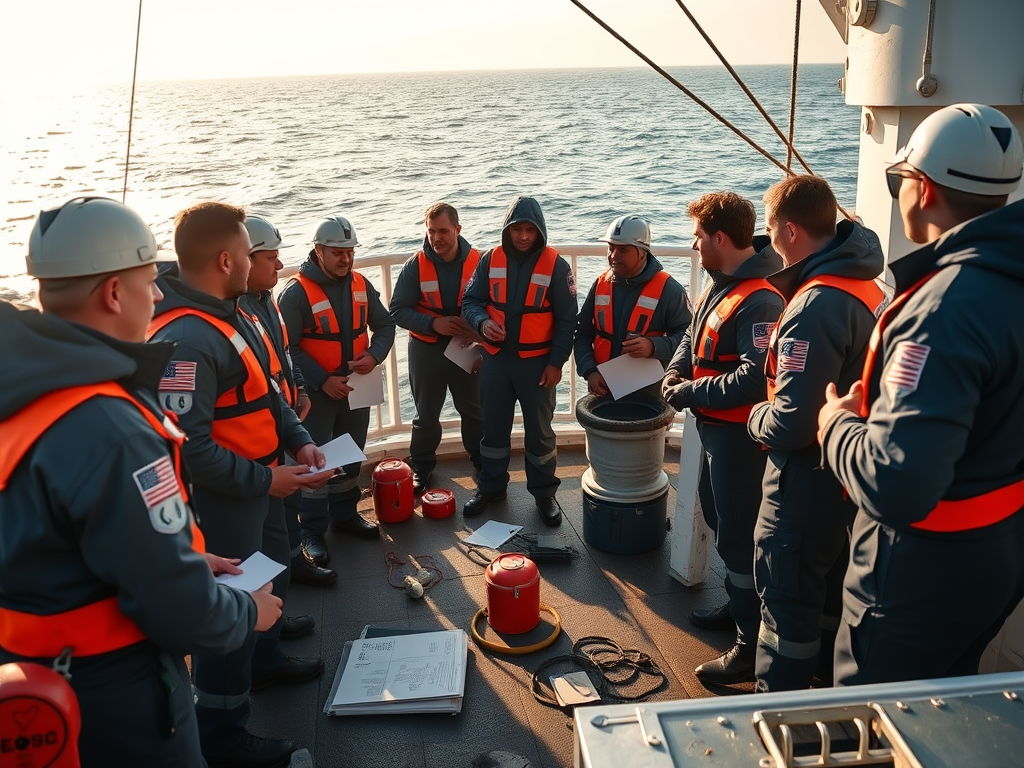
In May 2024, the International Maritime Organization (IMO) adopted major amendments to the STCW Code and the STCW-F Convention—two cornerstone instruments governing training and certification for merchant ships and fishing vessels. These updates introduce crucial new standards aimed at building safer and more respectful workplaces at sea.
The highlight of these revisions is the introduction of mandatory training for all seafarers on preventing and responding to violence, harassment (including sexual harassment), bullying, and assault. These changes enter into force on 1 January 2026 and will become part of the essential competencies every seafarer must meet.
Why These Changes Matter
Life at sea can be demanding, isolated, and stressful—conditions that may increase vulnerability to harassment or violence. Recognising this, the IMO introduced a new universal training requirement that ensures every seafarer, regardless of rank or vessel type, understands how to identify harmful behaviours, intervene safely, and follow proper reporting and support procedures.
These updates represent a global commitment to safer, more inclusive maritime workplaces.
STCW-F Convention: Updated Standards for Fishing Vessel Personnel
The STCW-F Convention (1995), which sets minimum training and watchkeeping standards for fishing vessels, has been modernised through:
- Establishment of a new STCW-F Code
- Updated competence requirements for crew on seagoing fishing vessels
- Harmonisation with the safety principles found in the main STCW Convention
Fishing vessel personnel will now follow updated training standards similar in structure to the merchant shipping sector but tailored to operational realities of fishing.
New Mandatory Training Requirements for All Seafarers
The new amendments to the STCW Code (MSC.560(108)) introduce a dedicated competence on:
“Prevention of and response to violence, harassment, bullying, and assault.” This applies to every seafarer and includes:
- Awareness & Identification
- Understanding what constitutes harassment, bullying, sexual harassment, and assault
- Recognising early signs and behavioural indicators
- Understanding the physical, emotional, and professional impact on victims
- Contributing Factors at Sea Isolation and limited communication
- Fatigue and stress
- Hierarchical structures
- Cultural differences
- Alcohol and substance misuse
- Safe Response & Intervention
- How to act as a bystander safely
- Immediate steps to protect the victim and shipboard personnel
- De-escalation principles
- Reporting & Documentation
- Shipboard and shoreside reporting pathways
- Maintaining confidentiality and respecting privacy
- How to record and preserve evidence
- Understanding roles of designated onboard officers
- Supporting Victims
- Providing emotional support and reassurance
- Medical referral procedures
- No-retaliation policies
- Importance of professional follow-up
- Company & Legal Requirements
- Obligations under international rules and flag State law
- Zero-tolerance policies and disciplinary processes
- Integration with Safety Management System (SMS) and familiarization procedures
How Will Training Be Delivered?
Training providers and maritime academies must integrate:
- Classroom instruction
- Scenario-based exercises
- Role-play and case studies
- Practical assessments aligned with STCW evaluation criteria
Flag States must ensure training meets the performance standards and assessment methods listed in the amended STCW Code tables.
What Administrations and Companies Must Do Now
Flag Administrations
- Update national STCW regulations
- Approve revised curricula for training providers
- Update examination, certification, and endorsement processes
- Issue national guidance on transitional arrangements
Shipowners & Vessel Operators
- Ensure all seafarers are trained before January 2026
- Update company policies on:
- harassment and bullying
- safe reporting channels
- investigation and follow-up procedures
- Integrate the topic into familiarization, drills, SMS documentation, and internal audits
Training Institutes
- Incorporate new modules into basic and refresher STCW courses
- Develop instructor guides, learning outcomes, and assessment rubrics
- Maintain detailed training records
Fishing Vessels: What the New STCW-F Code Means
For fishing crews, the amended STCW-F Convention (MSC.561(108)):
- Updates minimum competence requirements
- Aligns training with modern safety practices and human-element considerations
- Requires certified training for crew working on fishing vessels ≥24 m
- Introduces clearer standards for watchkeeping, emergency duties, and personal safety
As with merchant crews, the new anti-harassment training will apply to fishing personnel.
Suggested Syllabus for Shipping Companies or Training Institutes :
Module 1: Understanding Misconduct at Sea
- Definitions: harassment, bullying, sexual harassment, and assault
- Examples and case scenarios
Module 2: Risk Factors in Maritime Environments
- High-risk onboard situations
- Contributing human-element factors
Module 3: Recognition & Early Intervention
- Warning signs
- Safe bystander intervention
- Protecting victims and crew
Module 4: Reporting Procedures Who to notify
- How to document incidents
- Preserving evidence
Module 5: Supporting Victims Immediate care
- Medical and psychological referral
- Maintaining confidentiality
Module 6: Company Policies & Legal Rights
- Zero-tolerance rules
- Non-retaliation
- Flag State and IMO requirements
What Seafarers Should Do Now
- Familiarize yourself with the upcoming mandatory module
- Participate actively in training—your knowledge may protect someone one day
- Report harassment or assault through official channels
- Support colleagues and cultivate a respectful shipboard culture
A Step Forward for Safety and Human Rights at Sea The new amendments to the STCW and STCW-F represent a major step toward addressing long-standing issues of harassment, bullying, and violence in maritime workplaces. By making training mandatory across the global fleet, the IMO is setting a unified expectation: every seafarer deserves to work in a safe, respectful, and supportive environment.